
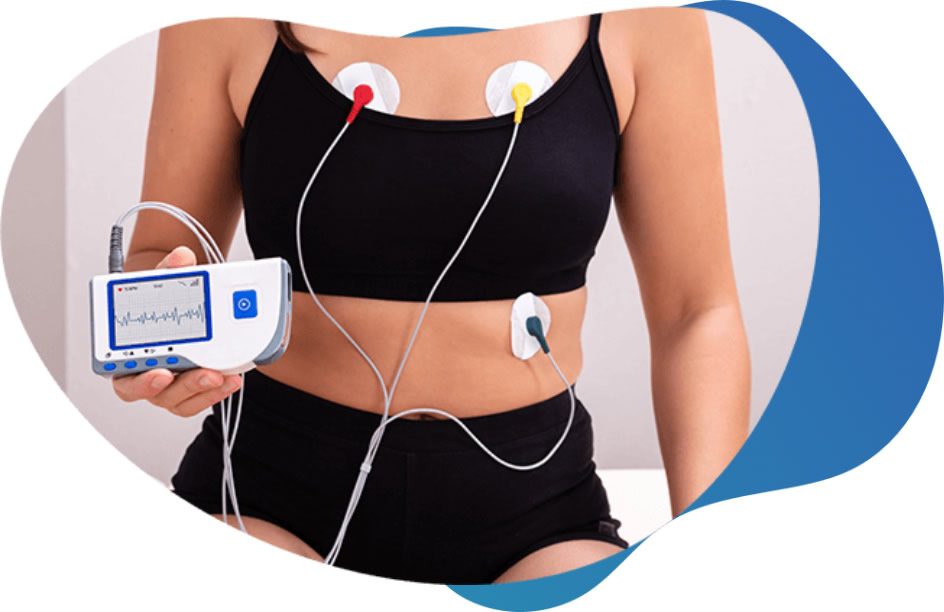
Stress testing is a valuable diagnostic tool used to evaluate how the heart functions under physical exertion or controlled stimulation. By monitoring cardiovascular performance during increased activity, stress testing helps identify underlying abnormalities that may not be evident at rest. This proactive assessment plays a key role in detecting early signs of heart disease, guiding treatment decisions, and informing preventive care strategies.
Detecting Hidden Cardiac Abnormalities
Many heart problems remain silent until they become severe, but stress testing helps detect them early. Resting heart abnormalities may not cause symptoms or be detected on standard tests, but physical exertion increases the heart’s workload, making hidden problems easier to detect. During a cardiac exercise test, your doctor monitors your heart’s electrical activity, rhythm, and blood pressure.
Early detection through a stress test allows for timely intervention and more effective treatment options. Identifying problems early provides opportunities to prevent disease progression with lifestyle changes or medical management.
Stratifying Cardiovascular Risk
A cardiovascular stress test helps doctors understand your individual risk for heart disease. By assessing how your heart handles increased demand, the test provides key information for a personalized prevention strategy. Your results offer clear data on your heart’s functional capacity. Strong performance suggests good cardiovascular health, while poor performance may indicate a higher risk.
This risk assessment helps guide preventive measures. If your test shows a higher risk, your doctor may suggest more assertive interventions. These can include medication or specific lifestyle adjustments. If your risk is low, you can focus on maintaining your health with regular check-ups and healthy habits. This tailored approach helps you receive the right care for your needs.
Guiding Treatment and Lifestyle Decisions
A cardiac stress test provides key insights that shape how you and your doctor address heart disease prevention. The results help determine if medication is needed, what level of exercise is safe, and which lifestyle changes will benefit you most. For example, if the test reveals mild coronary artery disease, your doctor may recommend cholesterol and blood pressure medications alongside a structured exercise plan.
Stress testing also helps evaluate how well current treatments are working, allowing your doctor to adjust your care plan as needed. It provides clarity on which activities are safe and which require caution, enabling a more targeted approach to lifestyle changes. A prevention plan tailored to your unique needs increases the likelihood of success, making it easier for you to stick with healthier habits over time.
Monitoring Ongoing Heart Health
Heart health is dynamic, and regular cardiovascular stress testing helps your doctor track changes and adjust prevention strategies over time. This monitoring is especially useful if you have heart disease risk factors or are recovering from a cardiac event. Follow-up stress tests reveal whether your heart function is improving, stable, or declining. If you’ve adopted healthier habits, such as better eating, regular exercise, or quitting smoking, repeat tests can show the benefits of these changes.
For those diagnosed with heart disease, regular stress testing helps monitor disease progression and evaluate treatment effectiveness. Your doctor can detect problems early and adjust your treatment plan to prevent complications. This proactive approach is necessary for managing heart health and preventing future issues.
Book a Comprehensive Stress Testing
Stress testing plays a multifaceted role in preventing heart disease. It detects hidden abnormalities, stratifies your cardiovascular risk, guides treatment decisions, and monitors ongoing heart health. These benefits make cardiac exercise testing a valuable tool in your preventive care arsenal.
If you have risk factors for heart disease, consult your doctor about whether a heart stress test is right for you. Even if you feel healthy, this diagnostic tool can provide peace of mind or uncover issues that need attention.