
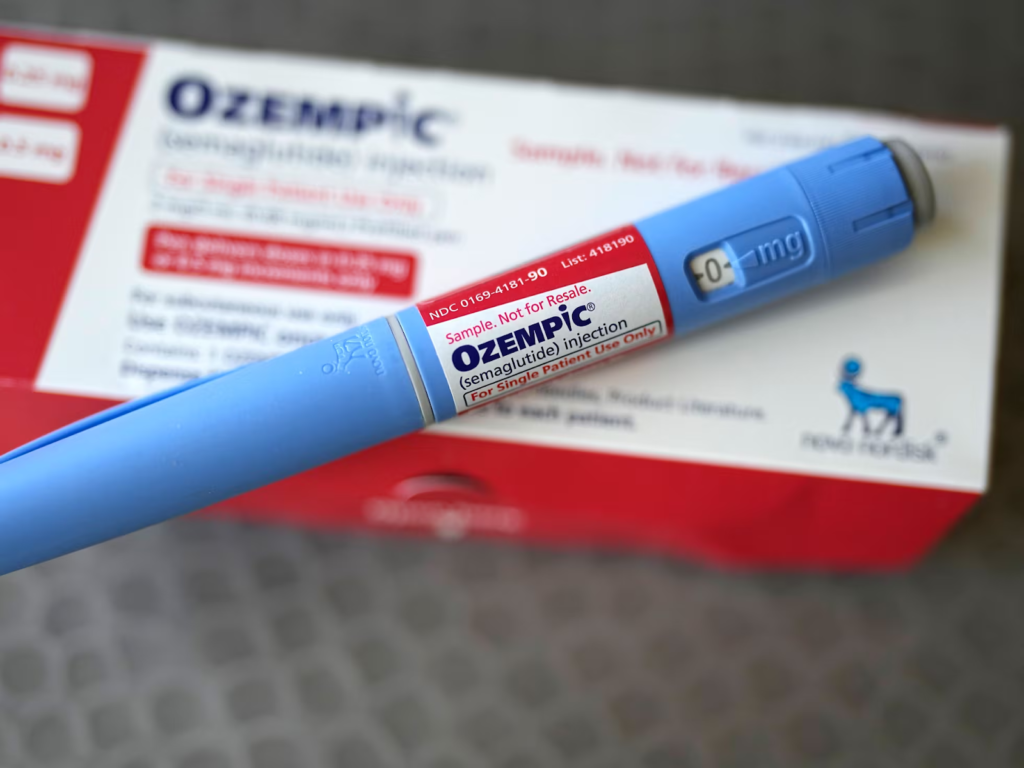
Semaglutide is a medication used in the management of metabolic conditions, particularly in the treatment of type 2 diabetes and weight-related health concerns. As interest in GLP-1 receptor agonists continues to grow, comparing semaglutide with other medications in the same class has become necessary for informed treatment planning. Here’s more information on how semaglutide differs from other GLP-1 receptor agonists:
Comparing GLP-1 Medications
All medications in this class work by mimicking a natural hormone in the body, glucagon-like peptide-1. This hormone plays a fundamental role in telling your brain that you are full after you eat. When you take a GLP-1 receptor agonist, it activates receptors in the brain to reduce your appetite and slows down how quickly your stomach empties food. This keeps you feeling satisfied for a longer time.
Semaglutide is different from older drugs in this class because of how long it lasts in the body. Many earlier GLP-1 medications required the patient to take a shot every single day. Semaglutide is a weight loss injection that you administer once a week, making it much easier for people to stick to their treatment plan.
Evaluating Weight-Related Outcomes
When you contemplate which medication to use, effectiveness is usually the top priority. Clinical studies show that semaglutide generally produces greater weight loss results than earlier GLP-1 receptor agonists. Research indicates that patients receiving semaglutide may lose an average of at least 15% of their baseline body weight. This is a higher percentage than what was typically seen with older daily injections. The difference in outcomes is often linked to the patient’s ability to adhere to the medication regimen. It is also helpful to note that individual results may vary based on lifestyle changes. While the medication is effective, combining it with a healthy diet and regular exercise is fundamental for optimal results.
Reviewing Side Effects
Most medications in the GLP-1 family share a similar profile when it comes to side effects. Here are the most common side effects associated with this class of medication:
- Nausea: This is the most frequently reported symptom, especially after the first dose.
- Vomiting: Some patients experience vomiting if they eat too much or too quickly.
- Diarrhea: Changes in digestion can lead to loose stools for some individuals.
- Constipation: Some people may experience constipation because digestion slows down.
These symptoms generally decrease as your body adjusts to the medication over several weeks. Doctors usually start patients on a low dose and slowly increase it to help minimize these issues.
Choosing the Right Treatment
Effectiveness is key, but practical factors also play a huge role in your decision. Some patients have a fear of needles and may prefer a daily pill option if one is available, though most GLP-1s are injectables. Review the following factors with your healthcare provider before starting treatment:
- Dosing Frequency: Decide if you prefer a weekly weight loss injection or a daily dose.
- Insurance: Check which medications your insurance plan covers, as this varies widely.
- Availability: Make sure the local pharmacy has the specific medication in stock.
- Medical History: Discuss your family history, as certain conditions may prevent the use of specific GLP-1s.
Your doctor will help you weigh these factors against the medical benefits. The goal is to find a sustainable solution that you can maintain for the long term.
Learn More About Semaglutide Today
Choosing the right method for weight management is a personal decision that requires medical guidance. Semaglutide offers a solution with its once-weekly dosing and proven success in helping patients lose significant weight. To navigate semaglutide and other medical weight loss options, contact a weight management specialist near you to schedule your consultation today.