Orthopedic surgeons specialize in the diagnosis and treatment of bones, joints, ligaments, tendons, and muscles. When non-surgical treatments are no longer effective for joint conditions, these surgeons perform procedures to address the underlying issues. Understanding their methodical steps before, during, and after a joint procedure provides a clearer picture of their process. Here is more information about what an orthopedic surgeon does during joint procedures:
Prioritizing Quality Care
Before any procedure begins, the surgeon and their team typically prepare the operating room and review the patient’s comprehensive surgical plan. Orthopedic teams generally follow strict safety checklists. This detailed preparation helps organize the procedure from start to finish, and it aligns the entire surgical team.
Identifying Needs
During the initial consultation, an orthopedic surgeon can evaluate the condition of your joint. While they assess your medical history and symptoms, a physical examination allows for a hands-on evaluation of your joints’ mobility and stability. The surgeon uses this information and may order diagnostic imaging, such as X-rays or MRIs, to obtain a comprehensive view of the joint’s internal structure.
The information gathered during this phase helps the surgeon determine if joint replacement is the best course of action. Sometimes, less invasive treatments, such as physical therapy or medications, may be recommended. If surgery is deemed necessary, the surgeon will collaborate with you to create a personalized treatment plan that addresses your specific needs and goals, aiming for the most effective outcome.
Using Advanced Techniques
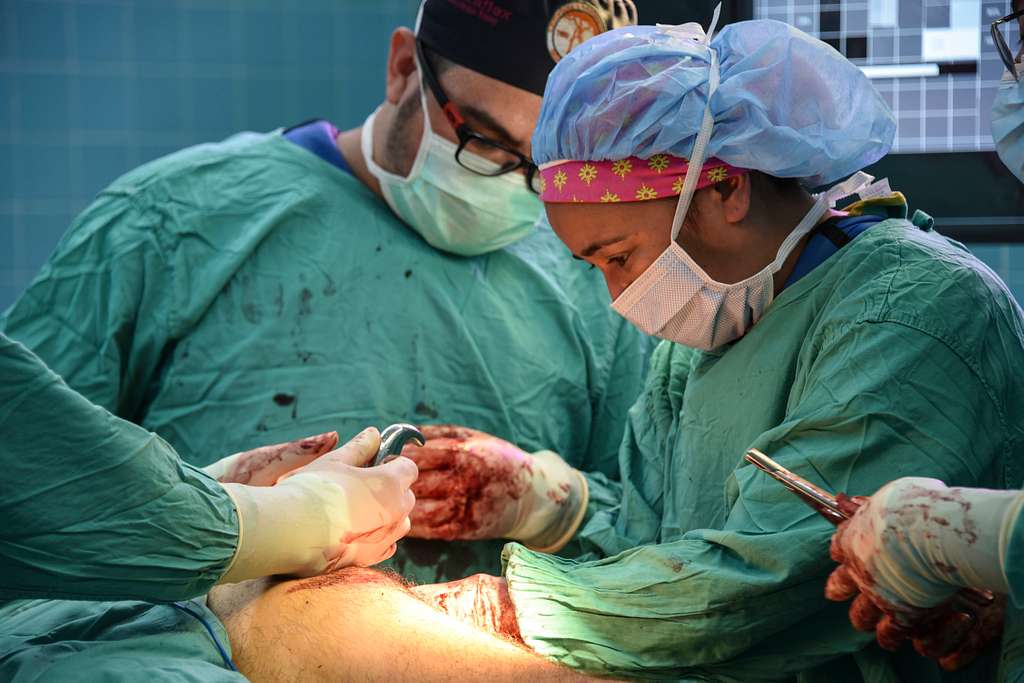
Surgeons use a variety of advanced methods to perform joint procedures with precision. Some operations utilize minimally invasive techniques, so the surgeon makes smaller incisions. These methods, which involve specialized instruments, allow the surgeon to work in a confined space while viewing the joint on a high-definition monitor.
Intraoperative imaging is another tool doctors use during some joint procedures. Real-time X-rays or ultrasound may be used, which gives the surgeon a live view of the surgical site. This visual guidance helps with the accurate placement of implants or the precise removal of damaged tissue, and it helps the surgeon confirm that the procedural goals are met before concluding the operation.
Other systems are also available for certain joint replacement surgeries. A surgeon may use advanced tools to perform specific parts of the procedure, but they remain in full command of the operation. The technology helps the surgeon perform precise actions, and it provides data that may assist with the alignment and positioning of an artificial joint.
Providing Aftercare
Following the procedure, your orthopedic surgeon oversees your immediate recovery. They will monitor your progress and help you transition out of the operating phase.. Surgeons provide specific instructions for wound care, pain management, and activity levels, and this guidance can be customized to your specific operation and personal health profile.
Your surgeon may work with physical therapists to create a rehabilitation plan designed to support your recovery process. The surgeon remains a point of contact during follow-up appointments, which are scheduled to track your healing. During these visits, the surgeon assesses your joint function and makes any necessary adjustments to your long-term care plan.
Visit an Orthopedic Surgeon
The work of an orthopedic surgeon is a structured process involving careful planning, precise execution, and dedicated follow-up care for joint procedures. You may have questions about your joint health, and a specialist is equipped to provide answers. If you are experiencing joint discomfort, schedule a consultation with an orthopedic surgeon to discuss your situation.