
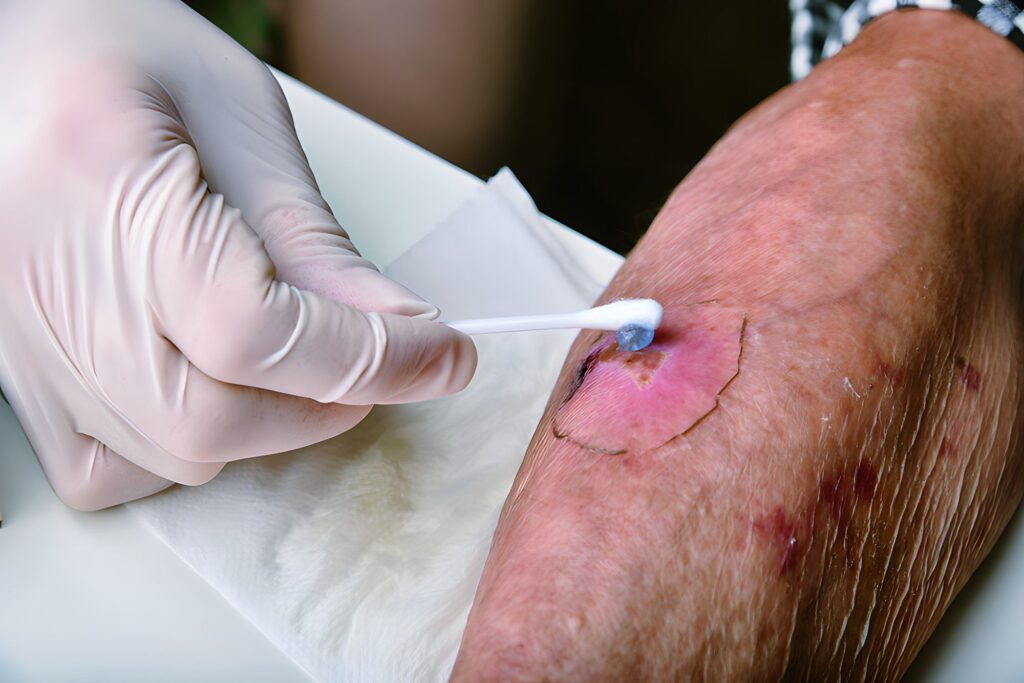
Proper wound care involves maintaining a delicate balance of moisture to promote healing. Too little moisture can slow recovery, while too much can lead to complications. Here is some information on how moisture affects the healing process, along with practical steps to maintain the ideal conditions. Understanding this balance is key to helping your body repair damaged tissue more efficiently.
Why Do Wounds Need Moisture to Heal?
Healthy wound care relies on maintaining a moist environment. Your body’s natural healing process works best when wounds retain adequate moisture levels. This moisture is key because it keeps new tissue cells alive as they migrate across the wound bed, allowing them to move freely and rebuild damaged tissue effectively.
Dry wounds often form scabs that can slow healing by creating physical barriers for new cell growth. Growth factors and nutrients dissolve in wound fluid, making them readily available to your healing tissues. When a wound becomes too dry, these components cannot reach the areas that need them most, hindering your body’s natural healing mechanisms.
Maintaining appropriate moisture levels also reduces pain during the healing process. Dry wounds can cause discomfort as scabs crack and pull on surrounding tissue. By keeping the wound moist, you can make the healing process much more comfortable and support your body in repairing damaged tissue efficiently.
How Can Moisture Impact Recovery?
Insufficient moisture creates several challenges for proper wound healing. Dry wounds often form thick scabs that act as barriers to new tissue growth. These scabs can crack and reopen, delaying the healing process. Proper hydration avoids these setbacks and promotes continuous recovery.
When wounds lack adequate moisture, healthy cells struggle to migrate across the wound surface. This cellular movement is necessary for closing wounds and rebuilding tissue. Dry conditions slow down this process, leading to extended healing times. Maintaining moisture allows cells to move efficiently to repair the damaged area.
Dehydrated wounds also experience reduced blood flow, which hampers the delivery of oxygen and nutrients needed for tissue repair. Dead tissue and debris accumulate more easily in dry wounds. Your body relies on natural cleaning processes, which work best in hydrated conditions, to remove this material and support faster, more effective healing.
How to Maintain Proper Moisture Balance?
To achieve the optimal moisture balance, you’ll need to select the appropriate wound care products and closely monitor the healing process. Different types of wounds require different moisture management strategies. Dry wounds benefit from dressings that add moisture, such as hydrogels, while heavily draining wounds require absorbent materials, like foam or alginate dressings.
Change dressings according to the manufacturer’s instructions and those provided by your healthcare provider. It’s beneficial to monitor the wound and the surrounding skin for signs of excessive wetness or dryness. Keeping the surrounding skin clean and dry while maintaining moisture in the wound itself helps prevent complications and promotes your body’s healing process.
Take the Next Step in Wound Care
Understanding moisture is key for effective wound care. Carefully monitor your wound’s moisture level and adjust your care as needed to support healing. If you notice signs of infection, your wound isn’t healing, or you’re unsure about moisture management, reach out to a healthcare professional. They can offer specific, tailored recommendations for your situation.