
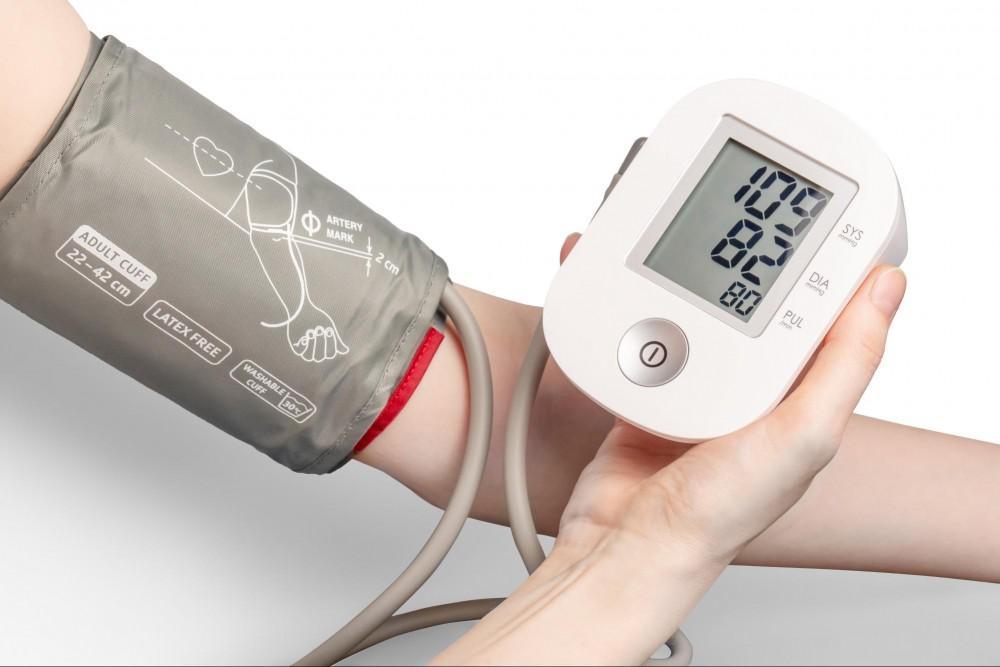
Hypertension is a significant risk factor for heart disease because it places continuous strain on the heart and blood vessels. Elevated blood pressure can damage artery walls, accelerate plaque buildup, and force the heart to work harder to pump blood. These changes increase the likelihood of complications such as coronary artery disease, heart failure, stroke, and kidney problems. Here’s more information on the connection between hypertension and heart disease:
Damages Blood Vessels Slowly
Healthy arteries are flexible, strong, and elastic, which allows blood to flow freely and efficiently throughout the body. When blood pressure remains elevated, the force of the blood exerts excessive pressure against the delicate inner lining of the arteries. The constant pressure causes microscopic tears in the arterial walls. The body attempts to repair these tears, but the process often results in scar tissue formation.
Scar tissue accumulates substances circulating in the bloodstream, such as cholesterol, fats, and calcium, and forms plaque. As plaque builds up, the arteries become narrowed and stiff, making it difficult for blood to pass through. This process, called atherosclerosis, restricts the supply of oxygen-rich blood to the body’s organs. The heart works much harder to push blood through these stiffened, narrowed vessels.
Strains the Heart
Hypertension forces the heart muscle to work harder than normal to pump blood to the rest of the body. It strains the heart in the following ways:
- Left Ventricular Hypertrophy: The heart muscle thickens to handle the extra workload, which makes it harder for the heart to relax and fill with blood properly.
- Coronary Artery Disease: The arteries supplying blood to the heart muscle become narrowed or blocked, reducing the supply of oxygen and nutrients the heart needs to function.
- Heart Failure: The heart muscle becomes too weak or stiff to pump blood effectively enough to meet the body’s metabolic needs.
These changes occur gradually but significantly impair the heart’s ability to function effectively over the long term.
Triggers Heart Diseases
When arteries supplying the heart become blocked due to plaque buildup, a heart attack may occur. The heart muscle begins to die because it cannot get the oxygen it needs to survive. This is a direct result of the vascular damage caused by long-term high blood pressure. Immediate medical attention is helpful in these scenarios to prevent permanent damage or death.
Hypertension also increases the risk of stroke significantly. A stroke happens when a blood vessel supplying the brain gets blocked by a clot or ruptures. Another key issue is heart failure, in which the heart cannot pump sufficient blood to the rest of the body. The heart works tirelessly against the high pressure in the vessels, and the muscle eventually wears out.
Protect Your Heart
You can manage hypertension and protect your heart by making specific lifestyle adjustments recommended by cardiologists. Here are some of them:
- Dietary Changes: Eating more fruits and vegetables while limiting processed and salty foods helps lower blood pressure naturally.
- Regular Exercise: Engaging in physical activity strengthens the heart muscle and helps maintain blood vessel flexibility.
- Weight Management: Losing excess weight reduces strain on the heart and significantly lowers arterial pressure.
- Stress Reduction: Engaging in activities that help manage stress prevents temporary spikes in blood pressure that can damage vessels over time.
- Smoking Cessation: Stopping smoking prevents further damage to the blood vessel walls and improves overall cardiovascular health.
While lifestyle changes are fundamental, some individuals may also need medication to bring their numbers down to a safe range.
Manage Hypertension With Expert Care
Hypertension damages blood vessels and strains the heart, but it is a manageable condition. Early detection allows for interventions that prevent severe outcomes like heart attacks and strokes. Contact a qualified cardiologist near you to book your appointment and manage hypertension with expert care today.