
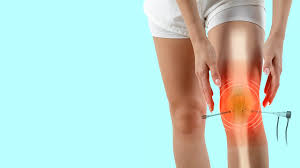
Arthroscopy is a minimally invasive surgical technique used to diagnose and treat joint conditions through small incisions and specialized instruments. Compared to traditional open surgery, arthroscopy typically involves less tissue disruption, reduced postoperative discomfort, and shorter recovery times. This advanced approach allows surgeons to visualize and address joint issues with precision while minimizing the impact on surrounding structures.
a) Minimally Invasive Surgical Technique
Arthroscopy uses very small incisions. They are about a quarter of an inch long. A surgeon inserts a tiny camera and tools through them. This allows them to see inside your joint and make repairs without large cuts. This keyhole approach minimizes tissue damage. Your muscles and ligaments stay largely intact. You will also experience less bleeding during surgery.
In contrast, traditional surgery requires larger incisions. This exposes the entire joint area. It involves cutting deeper into the skin and muscle. This extensive disruption causes more pain. It also leads to a longer healing process. Smaller arthroscopic cuts preserve healthy tissue. This creates a better environment for your body to heal.
b) Faster Recovery and Shorter Downtime
Recovery time varies significantly between arthroscopic and traditional surgery. Arthroscopic procedures are usually performed on an outpatient basis so that you will return home the same day. Light activities are typically resumed within a few days, and weight-bearing activities follow much sooner than with open surgery. In contrast, traditional surgery often requires a hospital stay and extended rest periods.
Physical therapy is quicker after arthroscopic surgery due to less tissue trauma. Rehabilitation exercises begin sooner, helping maintain joint flexibility and muscle strength. Early movement plays a significant role in improving long-term outcomes and speeding up recovery.
c) Lower Risk of Complications
Arthroscopy significantly lowers your risk of infection. The small incisions create fewer entry points for bacteria. The shorter surgery time also helps minimize this risk. In contrast, traditional open surgery carries a higher risk of infection due to larger wounds and longer operating times. You’ll also find that scarring is minimal with arthroscopic procedures. The tiny incisions heal quickly, leaving barely visible scars.
With arthroscopic surgery, you will experience less blood loss. The procedure is minimally invasive, so fewer blood vessels are disturbed. This reduces the need for blood transfusions and lowers the risk of related complications. You will also have less swelling and inflammation after the procedure. This makes your recovery much more comfortable.
d) Diagnostic Accuracy and Treatment Precision
Arthroscopy can be used for both diagnosis and treatment. The small camera gives your surgeon a clear view inside your joint. This helps them find problems that X-rays or MRIs might miss. They then treat the issue right away in the same procedure. The camera also magnifies the joint, allowing for a more detailed view than open surgery. This helps the surgeon be more precise and avoid damaging healthy tissue.
This procedure can effectively treat many joint issues by repairing torn ligaments, repairing damaged cartilage, and removing loose bone fragments. It also helps with arthritis and chronic inflammation. Surgeons can remove debris, repair tears, and smooth rough cartilage. They can do all of this with remarkable accuracy.
Book Your Arthroscopy Consultation Today
Arthroscopy offers clear advantages over traditional surgery for many joint conditions. The minimally invasive approach reduces pain, speeds recovery, and lowers the risk of complications while maintaining excellent treatment outcomes. If you’re experiencing chronic joint pain or have been diagnosed with a joint condition, consult an arthroscopic surgeon near you for an assessment and personalized solution.