Proper wound care involves cleaning the injury, applying a suitable dressing, and monitoring it for signs of complications. Many minor cuts and scrapes on the legs heal on their own with basic first aid. Recognizing when a leg wound is not healing correctly and may require medical attention is a key part of personal health management. Here are some signs that a leg wound needs professional attention:
Causes and Symptoms of Leg Wounds
Leg wounds have many origins, from simple accidents to underlying medical conditions. Common causes include:
- Scrapes from falls
- Cuts from sharp objects
- Burns
- Poor circulation
- Diabetes
- Prolonged pressure on one area of the leg
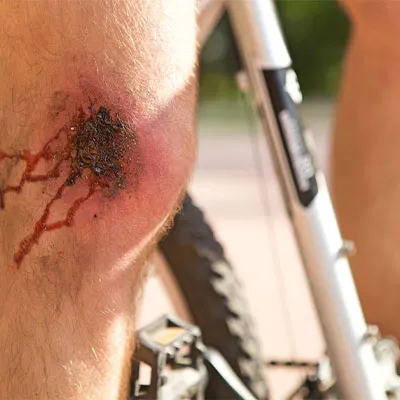
Symptoms of a leg wound vary based on its cause and severity. A typical wound may exhibit redness, minor swelling, and some initial pain, which are part of the body’s natural healing response. You may also notice clear or slightly yellowish fluid. Watch for signs that suggest a problem, such as increasing pain, expanding redness, or warmth around the wound. A wound that does not show signs of closing might also need a specialist’s evaluation.
Reasons to See a Wound Care Specialist
There are specific situations where seeing a wound care specialist is advisable for a leg injury. If a wound is deep, bleeds heavily, or was caused by a rusty object, seeking professional care is a good first step. Wounds that do not appear to be healing or are getting worse over time are also a reason to consult a specialist. People with certain health conditions, like diabetes or vascular disease, often benefit from specialized wound management.
A wound care specialist has advanced training in treating complex and non-healing wounds. They can identify why a wound may not be healing and provide targeted treatments to support recovery. Seeing a specialist may help prevent complications and manage the wound effectively.
Treatments for Leg Wounds
The treatment for a leg wound depends on its type, size, and cause. A specialist will assess the wound and your overall health, and this evaluation is used to develop a personalized treatment plan. Plans are designed to clean the wound, manage infection, and create a healing environment.
Treatments might include advanced wound dressings that maintain moisture balance and protect the injury. A procedure called debridement, which involves removing dead or infected tissue, may be performed to promote the growth of healthy tissue. Compression therapy can be used to improve circulation in the legs, aiding healing.
Vascular care is a component in managing and preventing chronic wounds, especially for individuals with diabetes or peripheral artery disease. This care focuses on improving blood flow to make sure oxygen and nutrients are available during the healing process. Treatments may involve minimally invasive procedures, such as angioplasty, to restore proper circulation or medications to manage underlying vascular conditions.
Schedule a Professional Consultation Today
Knowing when to seek help for a leg wound is a practical step toward healing. If your wound shows signs of infection or is not healing as expected, professional guidance is available. A specialist can assess your situation and recommend a path forward. Contact a wound care specialist today to discuss your treatment options.