
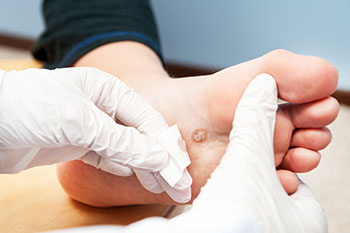
Plantar warts are small, noncancerous growths that appear on the heels or other weight-bearing areas of your feet. Caused by the human papillomavirus (HPV), these warts can be uncomfortable or painful. The virus enters the body through tiny cuts or breaks in the skin on the bottom of the feet. While they can resolve on their own, many people seek faster relief, and several options can be used at home.
Over-the-Counter Remedies
Many over-the-counter (OTC) remedies for plantar warts contain salicylic acid. This ingredient is available in various forms, including liquids, gels, and patches. Salicylic acid works by removing layers of the wart a little at a time, and consistent application is key for this method to be effective. Follow the product’s instructions carefully for proper use.
Before applying the treatment, soak the affected foot in warm water. This will soften the skin, making the treatment more effective. After soaking, gently file the wart with a pumice stone or emery board. Then, apply the salicylic acid product as directed. This process may need to be repeated daily for several weeks. It is a gradual process, but many people find success with it.
Duct Tape
Another method some people use is duct tape. This approach involves covering the wart with a small piece of silver duct tape for an extended period. The theory is that this removes layers of the wart over time. This method is not universally proven, and results can vary. To use this method, place a piece of duct tape over the wart for about six days. After six days, remove the tape, soak the foot in water, and then gently file the wart with a pumice stone. Leave the wart uncovered overnight, and then apply a new piece of duct tape the next morning. This cycle can be continued for up to two months.
Professional Treatments for Plantar Warts
If home remedies are ineffective or the warts are very painful, professional treatment may be necessary. A doctor has several methods to remove plantar warts. One common procedure is cryotherapy, which involves freezing the wart with liquid nitrogen. The freezing causes a blister to form around the wart, and the dead tissue sloughs off within about a week.
Other professional options include stronger peeling medicines or laser treatments; a doctor might also use immunotherapy, which uses medications or solutions to stimulate your own immune system to fight the wart. In some resistant cases, minor surgery may be performed to cut away the wart. Your healthcare provider can discuss which option is most suitable for your situation.
Ask a Doctor Today
While home remedies can be effective, it is wise to consult a doctor if you are unsure about a growth on your foot. A healthcare professional can confirm that the growth is a plantar wart and not another skin condition. You should also see a doctor if the warts are bleeding, spreading, or causing significant pain. People with diabetes, poor circulation, or a weakened immune system should consult a physician before attempting any home treatment for foot conditions. A doctor can provide a proper diagnosis, and they can recommend the safest treatment plan.