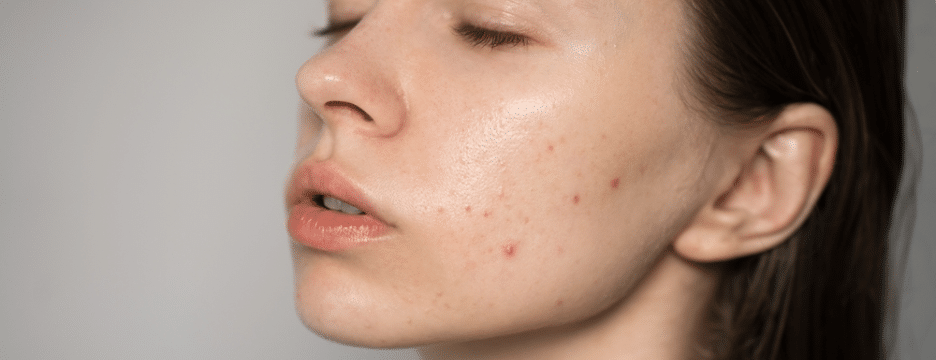
Finding an effective acne treatment involves understanding the available options. Acne affects many people, and a variety of treatments exist to address different types and severities of breakouts. Because each person’s skin is unique, a treatment that works for one individual may not work for another. Here is more information about acne treatments and which one is ideal for you:
Topical Treatments
Topical treatments directly contact the skin. These products come in many forms, such as gels, lotions, and creams, and they contain active ingredients to fight acne. Since some topicals are available over-the-counter while others require a prescription, you have a range of potencies to explore with your skincare provider.
These treatments work in several ways to manage breakouts, and they may include these ingredients:
- Benzoyl peroxide
- Salicylic acid
- Retinoids
While many people find success with topicals, they may cause dryness or irritation. A dermatologist helps determine the right product and application frequency for your skin type. You apply the product as directed, and it aims to reduce oil and unclog pores.
Oral Medications
Oral medications are pills taken by mouth to treat moderate to severe acne. Antibiotics may reduce bacteria and inflammation, which are two factors contributing to acne formation. A healthcare provider can prescribe a course of acne treatment, and you should follow their instructions for taking the medication.
Hormonal agents are another type of oral medication. Oral contraceptives are sometimes helpful for women, as they help regulate hormones that contribute to acne. These medications require a prescription, and they are a long-term management strategy.
For severe, persistent acne that has not responded to other treatments, a doctor might suggest isotretinoin. This powerful medication shrinks the oil glands in the skin, and it typically reduces sebum production effectively. Patients taking other medications are monitored closely by their doctor due to potential side effects.
Laser-assisted Treatments
Dermatologists perform laser-assisted treatments in a clinical setting. Light-based therapies target the bacteria that cause acne inflammation, and they use specific wavelengths of light to achieve this result. Different types of lasers and light therapies are available, while each one is suited for particular acne-related concerns.
These treatments may also address acne scarring. While the primary goal is typically to reduce active breakouts, some laser procedures stimulate collagen production. This process can help improve skin texture and reduce the appearance of scars over time, while multiple sessions are usually needed to see visible improvement. You would discuss the specific laser and expected outcomes with your provider before starting.
Combined Approaches
Combining different treatment types is a common strategy for managing acne. A dermatologist may recommend using a topical cream along with an oral medication because this approach targets acne from multiple angles. A topical retinoid could be paired with an oral antibiotic. This method may produce better results than using a single treatment alone.
Find Acne Treatment Near You
Choosing the right acne treatment path involves guidance, and several effective options are available, from topical creams and oral medications to advanced laser procedures and combined therapies. A consultation with a qualified dermatologist is a practical way to develop a personalized treatment plan, and they can assess your skin and recommend the most appropriate course of action. Schedule an appointment with a skincare professional to start the process.