
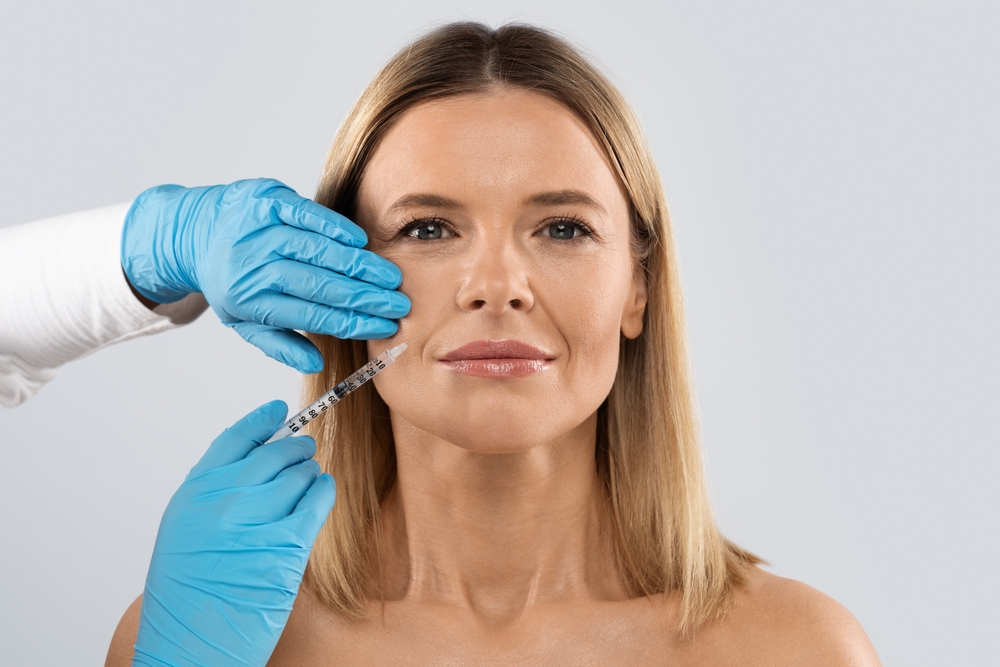
Both Botox and dermal fillers address common cosmetic concerns related to aging, but they work through different mechanisms. Botox is a neurotoxin that temporarily relaxes facial muscles to reduce the appearance of dynamic wrinkles, while dermal fillers are gel-like substances injected beneath the skin to restore lost volume and smooth out static wrinkles. Here is more information about Botox and dermal fillers:
Understanding Botox
Botox is derived from botulinum toxin type A. This is a purified protein that temporarily blocks nerve signals to targeted facial muscles. When injected into areas like the forehead, around the eyes, or between the eyebrows, Botox prevents muscle contractions that create expression lines. The treatment takes only minutes to administer, and results typically appear within three to five days.
The effects of Botox last approximately three to six months before the body metabolizes the protein. After this period, muscle activity gradually returns, and wrinkles may reappear. Many individuals schedule regular appointments to maintain their results over time.
Explaining Fillers
Dermal fillers add volume to areas of the face that have lost fullness due to aging or other factors. These injectable substances can smooth wrinkles, enhance facial contours, and restore a more youthful appearance. Hyaluronic acid fillers are among the most commonly used types, and this substance occurs naturally in the body and provides excellent hydration to the skin.
Different filler formulations target specific concerns:
- Fillers for fine lines around the mouth or eyes
- Volumizing fillers for cheeks or temples
- Specialized fillers for lip enhancement
Results from dermal fillers appear immediately after injection. Depending on the type of filler used and the treatment area, effects can last anywhere from six months to two years or longer.
Discussing Treatment
A diverse range of adults seek these cosmetic procedures to address aging concerns or enhance their appearance. While women comprise the majority of patients, men increasingly pursue Botox and filler treatments as well. Most individuals receiving these injections are between the ages of 40 and 54, though younger adults may seek preventative treatments, and older adults continue to benefit from these procedures.
Medical professionals also use Botox for therapeutic purposes that go beyond cosmetics. Botox injections can treat chronic migraines and excessive sweating; they can also treat muscle spasms and certain bladder disorders. This versatility demonstrates the broader applications of neurotoxin treatments in modern medicine.
Reviewing Outcomes
Botox smooths dynamic wrinkles caused by repeated facial expressions; these wrinkles include crow’s feet, forehead lines, and frown lines. The treatment creates a more relaxed and refreshed appearance while allowing natural facial movement. Patients typically notice softer lines and a reduction in the depth of wrinkles within one week of treatment.
Dermal fillers restore volume to areas that appear hollow or sunken due to fat loss and collagen depletion. These injections can plump thin lips, fill in nasolabial folds, and add definition to the jawline or cheeks; because fillers physically add substance beneath the skin, they address static wrinkles that remain visible even when the face is at rest. The combination of immediate volume restoration and gradual collagen stimulation from certain filler types creates both instant and progressive improvements.
Learn More About Cosmetic Injectables
Botox and dermal fillers offer distinct solutions for different cosmetic concerns. Botox relaxes muscles to prevent dynamic wrinkles, and dermal fillers restore lost volume to smooth static lines and enhance facial contours. Both treatments provide temporary results that require maintenance appointments to sustain the desired appearance. If you want to learn more about Botox and fillers, consult a provider near you.