
Anxiety affects many people, and it can interfere with daily activities, relationships, and overall well-being. Understanding anxiety and developing effective coping strategies helps you regain control. Here is more information on this condition, including its causes and symptoms, and practical strategies for managing it:
What Is Anxiety?
Anxiety is a natural response to stress or perceived danger. It involves feelings of worry, nervousness, or unease about situations with uncertain outcomes. Occasional anxiety is normal, but persistent or excessive cases may indicate a disorder.
Anxiety disorders are among the most common mental health conditions. They can manifest in various forms, including generalized anxiety disorder, social anxiety disorder, and panic disorder. Each type has distinct characteristics, but all involve heightened fear or worry that disrupts daily functioning.
What Causes It?
This mental health condition can stem from multiple factors, including genetics, brain chemistry, and environmental influences. A family history of anxiety disorders increases the likelihood of developing similar conditions. Imbalances in neurotransmitters such as serotonin and dopamine also contribute to symptoms. Life experiences play a central role in anxiety development, as traumatic events, chronic stress, and major life changes can trigger or worsen the condition.
What Are the Symptoms?
Physical symptoms include increased heart rate, sweating, trembling, and shortness of breath. Some people experience muscle tension, fatigue, and digestive issues. These physical manifestations can be complex, and individuals may benefit from seeking prompt medical attention. Cognitive and emotional symptoms include excessive worry, difficulty concentrating, and irritability.
How Is Everyday Life Affected?
Anxiety can substantially impact work performance and productivity. Individuals may struggle with concentration, decision-making, and meeting deadlines. Social interactions may become challenging, and this potentially leads to avoidance of gatherings or difficulty maintaining relationships.
Daily routines and self-care sometimes suffer when this condition is present. Simple tasks may feel overwhelming, and the motivation to engage in activities can decrease. This disruption may create a cycle where reduced activity leads to increased anxiety, making it harder to break free from the pattern.
What Are Effective Coping Strategies?
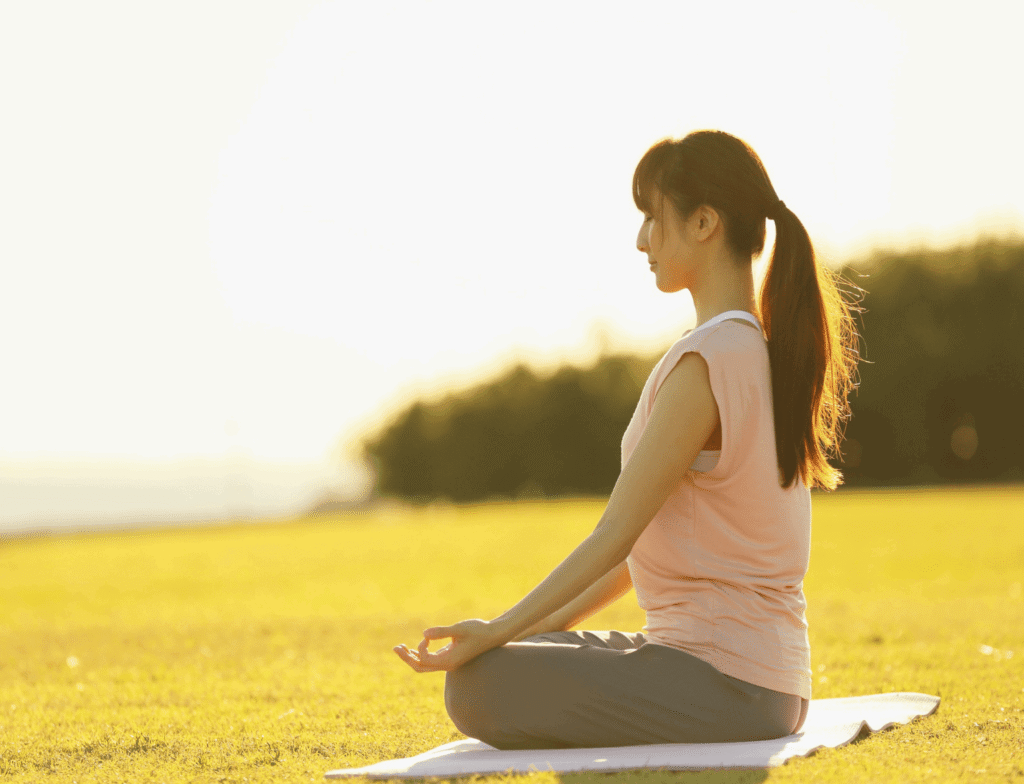
Deep breathing exercises help calm the nervous system during anxious moments. Practicing diaphragmatic breathing for several minutes activates the body’s relaxation response. Regular physical activity helps reduce symptoms, as exercise releases mood-boosting endorphins. Activities such as walking, swimming, or yoga can be particularly beneficial and don’t require intense exertion to be effective.
Cognitive techniques help reframe anxious thoughts. Identifying and challenging negative thought patterns reduces their impact on emotions and behavior. Establishing a consistent sleep schedule supports anxiety management. Quality sleep allows the brain to process emotions, and creating a calming bedtime routine may improve sleep quality.
Limiting caffeine and alcohol intake can reduce symptoms. Maintaining a balanced diet with regular meals helps stabilize blood sugar levels, and this may affect mood and energy. Social support plays a key role in managing this condition. Talking with trusted friends or family members about your experiences has the potential to provide relief and validation.
Seek Professional Support Now
Managing anxiety requires a combination of self-care strategies and professional guidance. Certain techniques can provide relief, but working with a mental health professional offers personalized treatment. Therapists provide evidence-based interventions, such as therapy, which address the root causes of anxiety.
If anxiety interferes with your daily life, seek professional support. Mental health professionals will assess your symptoms, provide an accurate diagnosis, and develop a treatment plan tailored to your needs. Contact a therapist and learn how to improve your mental health.