
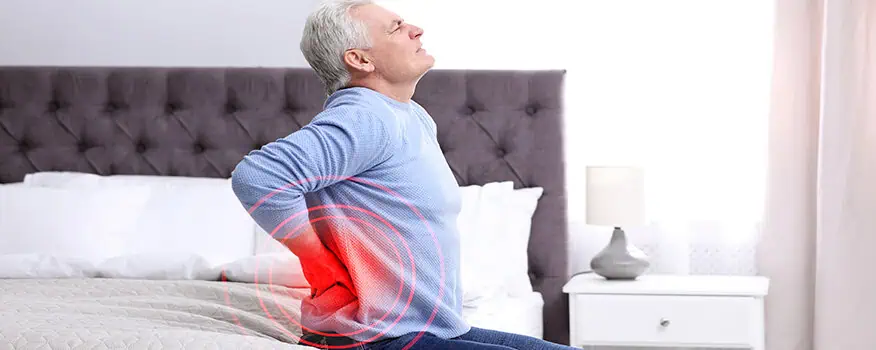
Pain management for chronic conditions often requires more than a single treatment, especially when symptoms persist and begin to affect daily function. Integrative approaches combine medical care with supportive strategies to address the physical and emotional sides of long-term pain. Here’s a closer look at the integrative approaches to pain management for chronic conditions:
Assessing the Whole Person
Effective pain management starts with understanding the full picture of a patient’s condition. Key components of a whole-person assessment include:
- Medical history review: Understanding past injuries, surgeries, and treatments provides context for current pain patterns.
- Physical examination: Evaluating the range of motion, strength, and areas of tenderness helps pinpoint problem areas.
- Diagnostic testing: X-rays, MRIs, CT scans, and other imaging tools reveal structural issues that may cause pain.
- Lifestyle assessment: Sleep patterns, activity levels, stress, and nutrition all influence pain experiences.
- Goal-setting discussion: Identifying what matters most to the patient—whether returning to work, playing with grandchildren, or sleeping through the night
Setting realistic goals creates a treatment plan; some patients may aim for complete pain relief, while others focus on improving function or reducing medication use.
Exploring Medical Interventions
Medical interventions play a key role in managing chronic pain. These treatments target specific pain sources and can provide significant relief when other approaches fall short. Interventional procedures use advanced imaging techniques to deliver targeted treatment. Fluoroscopy and ultrasound guidance allow specialists to place injections or perform procedures with precision.
Intrathecal pain pumps offer another option for patients with severe chronic pain. These devices deliver medication directly into the spinal fluid, requiring lower doses than oral medications and reducing side effects. The goal of interventional treatment is to avoid invasive surgical procedures while providing meaningful relief.
Incorporating Integrative Relief Therapies
Medical interventions work best when combined with therapies that support overall health and function. These complementary approaches address multiple aspects of chronic pain and help patients build sustainable habits. Helpful integrative therapies include:
- Physical therapy: Strengthening exercises, stretching, and movement training restore function and prevent future injuries.
- Regenerative medicine: Treatments that promote tissue healing may reduce inflammation and improve joint function.
- Lifestyle modifications: Changes to diet, sleep habits, and activity patterns support the body’s natural healing processes.
- Acupuncture: Insertion of thin needles into specific points on the body may help alleviate pain and promote healing
- Massage therapy: Manipulation of soft tissues can improve circulation, reduce tension, and release endorphins that act as natural painkillers
- Stress management: Techniques that reduce tension help break the cycle between stress and pain.
The combination of medical and integrative therapies can offer more comprehensive relief than either approach alone.
Building a Management Plan
Creating an effective pain management plan requires customization; what works for one patient may not work for another, even with similar conditions. The process begins with the comprehensive assessment, and based on this evaluation, the care team develops a treatment plan that may include several components. Medical interventions provide initial relief and address specific pain sources. Integrative therapies support long-term function and help prevent future problems.
Regular follow-up appointments allow the team to monitor progress and make adjustments. Some treatments may need to be modified based on how well they work; other treatments may be added or removed as the patient’s condition changes. A successful plan also includes patient education. Understanding how different treatments work helps patients participate actively in their care. They learn to recognize what helps, what doesn’t, and how to adjust their daily activities to support healing.
Schedule Your Pain Management Appointment
An integrative approach to pain treatment combines medical expertise with comprehensive care strategies. This method addresses symptoms and the underlying causes of pain while supporting overall health and function. For persistent and ongoing pain, contact a pain management specialist in your area to schedule your appointment today.