Stress testing is a standard procedure used to evaluate how your heart performs during physical activity. Because exercise makes your heart pump harder and faster, a stress test can reveal potential issues with blood flow within your heart. A healthcare provider uses this diagnostic tool to gather information about your cardiovascular system. This is how stress testing is used to prevent cardiovascular disease:
Increasing Heart Rate
To begin the test, you will walk on a treadmill or ride a stationary bike. The intensity of the exercise gradually increases, and this controlled physical exertion raises your heart rate. Your response to the exercise provides data on how your heart functions under strain. Results include:
- Normal response: Your heart rate increases appropriately with exercise, indicating healthy cardiovascular function.
- Abnormal response: Your heart rate fails to rise as expected, which may suggest underlying heart conditions.
- Irregular rhythm: An irregular heartbeat during the test could indicate issues such as arrhythmia.
- Excessive increase: A heart rate that rises too quickly may point to potential concerns that require further evaluation.
Monitoring Electrical Activity
Throughout the test, a doctor attaches electrodes to your chest to record your heart’s electrical signals. A medical provider monitors the electrocardiogram (EKG) pattern, and this shows your heart’s rhythm and rate. Changes in the EKG signal while you exercise might indicate that your heart muscle is not receiving enough blood.
Evaluating Heart Health
By observing your physical response and EKG readings, a stress test allows a doctor to evaluate your overall heart health. The test measures your exercise capacity, and it tracks your heart rate and blood pressure throughout the procedure. Any symptoms you experience during the test, such as chest discomfort or shortness of breath, provide valuable diagnostic information.
This evaluation helps determine your risk for heart disease. During the stress test, the data gathered offers a comprehensive picture of your cardiovascular function. Your doctor reviews these results, and this helps them understand how your heart responds when it has to work hard.
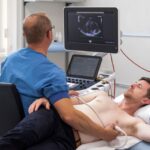
A doctor may also use imaging, such as an echocardiogram, along with the stress test. This combination provides pictures of your heart, and they are taken before you exercise and again afterward. The images show how well your heart’s chambers and valves are working when put under stress, which offers more detailed insights.
Diagnosing Coronary Artery Disease
Doctors may use stress testing to help diagnose coronary artery disease (CAD). The test can detect if the blood supply is reduced in the arteries that supply the heart. When blockages restrict blood flow, the lack of oxygen during exercise can cause changes on the EKG or lead to symptoms. The information helps a physician make an informed diagnosis.
Other reasons a doctor might recommend a stress test include:
- Guiding treatment for a heart disorder
- Determining the timing for cardiac surgery
- Checking the effectiveness of a procedure
Schedule Stress Testing Today
A stress test provides a comprehensive look at your heart’s performance during physical exertion. The procedure takes place in a controlled setting under medical supervision, and the results help your doctor assess your cardiovascular health. If you have questions about your heart health, speak with a healthcare provider to determine if a stress test is appropriate for you. Contact our office to schedule a consultation.