
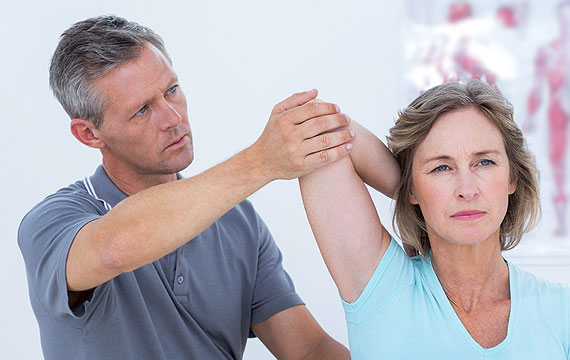
Pain disrupts your daily routine and limits your daily activities. An integrative approach combines traditional medicine and complementary therapies. Doctors evaluate your symptoms and create a personalized pain management plan that addresses your discomfort’s root cause. You may need physical therapy, lifestyle changes, or advanced injections.
Joint and Arthritis Pain Management
Arthritis affects millions of people, but proper treatment reduces inflammation and improves joint mobility. Arthritis treatment often begins with conservative measures like medication and physical therapy, yet some cases require more intervention. Low-impact exercises, such as swimming or cycling, help maintain joint flexibility. Some patients use assistive devices for painful joints, and occupational therapy teaches everyday techniques. If these initial steps do not provide relief, your doctor may suggest injections that target the specific area of pain. This pain management approach helps patients regain movement. Joint pain stems from various sources, and a precise diagnosis is key for effective long-term management. We focus on restoring your ability to move freely.
Addressing Soft Tissue Injuries
Injuries to muscles and tendons need specialized care to heal correctly and prevent future complications. Rotator cuff injuries are common shoulder problems and often respond to a combination of rest and targeted therapy. When the tissue is severely damaged, surgical repair may be required, but non-surgical options are explored first. Meniscal injuries in the knee also benefit from this integrative approach. Because rehabilitation protocols must be followed to achieve full recovery, adherence to medical advice is recommended. Your provider will assess the tear’s severity and recommend a plan from bracing to arthroscopic surgery.
Following a pain management plan with consistent physical therapy restores movement, rebuilds strength, and supports the healing process. Regular follow-up visits track progress and allow for therapy adjustments. Proper rehabilitation helps you return to strength safely. While progress may be gradual, consistent effort leads to meaningful improvement over time. A gradual return to activity supports lasting recovery and helps prevent re-injury. If you adhere to the recommended exercises, you will not only heal faster, but you will also minimize the risk of future complications. You must commit to the process, and you must be patient as healing takes time.
Advanced Therapies for Recovery
Modern medicine offers innovative solutions that use the body’s healing mechanisms to speed recovery. PRP (Platelet-Rich Plasma) therapy is a treatment where doctors inject a concentration of a patient’s own platelets, and because this process uses a patient’s own cells, the risk of rejection is minimized; it is now widely adopted for sports injuries. This process stimulates healing in injured tendons or joints and it is used for conditions like tennis elbow or ligament strains. It offers an alternative to surgery. For those with carpal tunnel syndrome, early intervention with splinting or injections may prevent the need for invasive procedures later. These advanced options provide new pathways to relief.
Taking the Next Step
Chronic pain does not have to be a permanent part of your life or daily experience. When you take the first step toward seeking help, you begin to managing your pain more effectively. You may need a comprehensive evaluation, and your team is ready to discuss which approaches suit your condition. Contact your provider today to schedule your consultation, or check their website to learn more about their services. Taking action now may lead to better health tomorrow.