
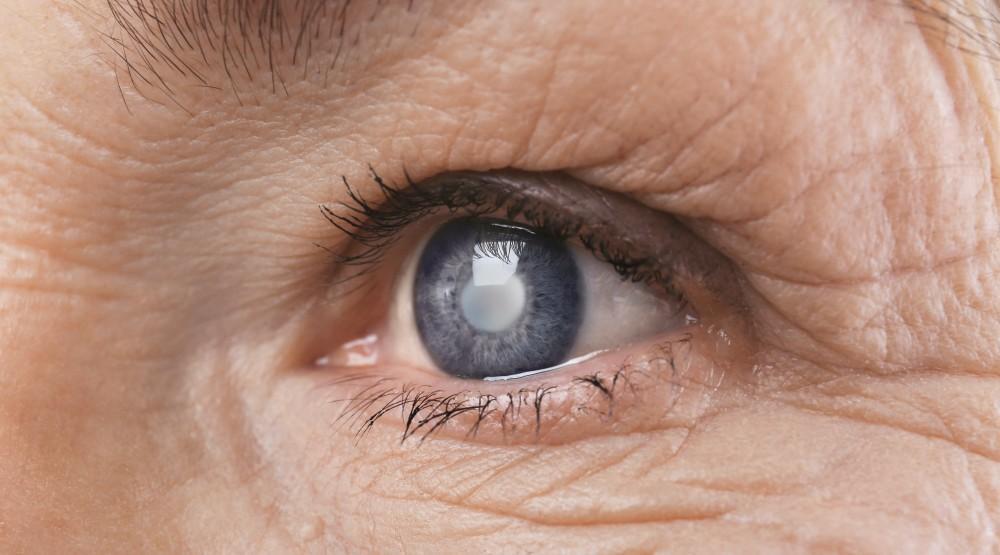
Glaucoma is a group of eye diseases that damages the optic nerve. It is the leading cause of irreversible blindness, but early detection and consistent management prevent significant vision loss. A combined approach of medical intervention and specific lifestyle adjustments helps individuals maintain their quality of life. Understanding available treatments and the role of daily habits helps patients participate actively in their care and reduce risks over time.
Medical Interventions
Medical treatments for glaucoma aim to lower intraocular pressure (IOP). Prescription eye drops are a primary treatment, and work by either reducing fluid production or improving its drainage from the eye. If medication is insufficient, laser therapy is used to improve the eye’s drainage system. For advanced cases, surgical procedures may be required to create a new drainage channel for the fluid, so that IOP remains controlled when other treatments have failed. Regular eye examinations help monitor the condition’s progression, allowing for timely adjustments. Comprehensive tests such as tonometry and visual field analysis support individualized care and ongoing adjustment of interventions.
Lifestyle Modifications
Certain lifestyle adjustments support medical treatments. A balanced diet rich in antioxidants helps support overall eye health. Foods like leafy greens and fish containing omega-3 fatty acids are beneficial, and limiting high-caffeine beverages and high-sodium foods is advisable. Fresh berries, citrus fruits, and nuts offer additional vitamins and minerals that support nerve protection and general well-being. Moderate exercise reduces IOP and improves blood flow to the optic nerve. Individuals should avoid inverted postures that may increase eye pressure. Clear routines around physical activity can help sustain healthy blood pressure and metabolism, which are relevant for eye health.
Since stress can elevate IOP, incorporating stress-reduction techniques such as meditation and controlled breathing exercises is helpful for comprehensive glaucoma care. Mindfulness practices, including guided visualization and progressive muscle relaxation, can help regulate mood and reduce anxiety. Deep breathing exercises performed daily may support relaxation and help manage blood pressure fluctuations. Yoga, excluding head-down positions, can contribute both physical and mental benefits. Consulting with healthcare providers before starting new regimes ensures safety and personalizes the lifestyle approach.
Risk Factors
Several factors increase the risk of developing glaucoma. Age is a significant risk factor. A family history of the condition increases an individual’s predisposition, and certain ethnicities also have a higher incidence rate. Because elevated IOP is a primary risk factor, routine screenings are advised for those in high-risk groups, even if they do not have symptoms. Glaucoma often advances without early warning signs, which makes proactive monitoring through regular eye exams helpful for detecting the condition before irreversible damage occurs. Education about personal risk and periodic review of eye health status support early intervention.
Glaucoma Support
Ongoing research is leading to better glaucoma treatments. New developments in drug delivery, laser therapies, and surgical techniques offer improved outcomes. A comprehensive management plan combines medical therapy with beneficial lifestyle changes. This approach helps individuals preserve vision. Specific stress management techniques, expanded dietary choices, and individualized physical activity contribute to a thorough strategy for ongoing care. Schedule an appointment with a clinic near you for a check-up.