Total joint replacement is a surgical procedure where parts of an arthritic or damaged joint are removed and replaced with a metal, plastic, or ceramic device called a prosthesis. The prosthesis replicates the movement of a normal, healthy joint. This procedure is typically recommended when severe joint pain or dysfunction limits daily activities and conservative treatments have not yielded sufficient symptom relief. Surgery can restore joint mobility, but aftercare is also fundamental to restoring function. Here’s information on the post-operative care after getting a total joint replacement:
After Surgery
Immediately following total joint replacement surgery, the medical focus shifts to stabilization and recovery. Patients typically wake up in a recovery room where medical staff monitor vital signs and manage pain levels as the anesthesia wears off. Depending on the specific joint replaced and the surgeon’s protocol, patients may remain in the hospital for a few days, or they might be discharged within 24 hours. During this early phase, the medical team often encourages movement very soon after the procedure.
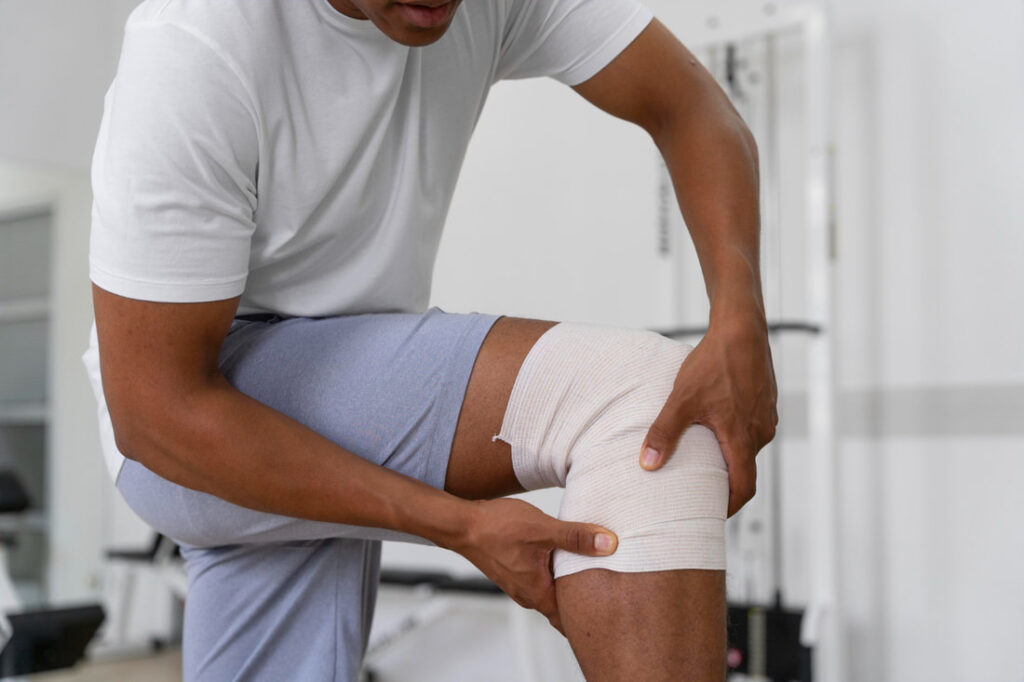
Nurses or physical therapists may assist patients in standing or walking short distances using assistive devices. This early mobilization improves circulation, which helps prevent complications like blood clots. The surgical site will be covered with a dressing, and drains may be present to remove excess fluid from the wound area. Patients receive detailed instructions on how to care for the incision before leaving the hospital setting. During recovery, patients may be advised to:
- Rest
- Hydrate Frequently
- Avoid Exercising
- Keep Incisions Covered and Clean
At-home Care
Once discharged, the responsibility for daily care transitions to the patient and their caregivers. Swelling is a natural response to surgery, but it can be managed to control pain levels and encourage healing. Applying ice packs to the surgical area helps constrict blood vessels. This reduces inflammation and numbs the area to provide pain relief. It is generally recommended to apply ice for 15 to 20 minutes at a time, several times a day, with a cloth barrier protecting the skin from direct ice contact.
Careful Elevation
Elevation works in tandem with icing to manage swelling. For lower extremity replacements, such as knees or hips, keeping the operated leg elevated above the level of the heart encourages fluid to drain away from the surgical site. Proper positioning with pillows can support the limb. Make sure to keep the joint in a safe position, as directed by the surgeon.
Gentle Exercises
Regaining strength and range of motion requires consistent effort, at home and in medical environments. The surgical team typically provides a specific regimen of simple movements to help prevent stiffness and improve circulation. Some of these exercises might include:
- Ankle Pumps
- Thigh Squeezes
- Gentle Bending Motions
Performing these exercises regularly helps restore function to the new joint, and it prepares the muscles to support the prosthesis during daily activities.
Follow-up Care
Recovering from total joint replacement is a structured process that relies heavily on adherence to post-operative instructions. Recovery does not end when the incision heals. It is a continuous process that involves professional guidance and ongoing management.
Physical therapy is often a mandatory component of recovery for joint replacement patients. A licensed physical therapist designs a personalized program that develops as healing progresses. Initial sessions focus on basic movements and safety, while later sessions aim to rebuild muscle strength, improve balance, and increase the joint’s range of motion.
Managing discomfort helps patients to participate more easily in their rehabilitation program. Surgeons often prescribe a combination of medications for pain, which may include anti-inflammatories or stronger analgesics for the initial days. Pain management strategies also include non-pharmaceutical approaches. Relaxation techniques, proper rest, and the previously mentioned icing protocols all contribute to a comprehensive pain management plan.
Learn More About Total Joint Replacement Recovery
Understanding the phases of post-operative care helps you prepare for recovery and adhere to necessary protocols for optimal healing. By following guidance regarding wound care, exercise, and follow-up appointments, you can actively contribute to the success of your surgery. If you have questions about specific symptoms or the recovery timeline, contact an orthopedic specialist for more information.