
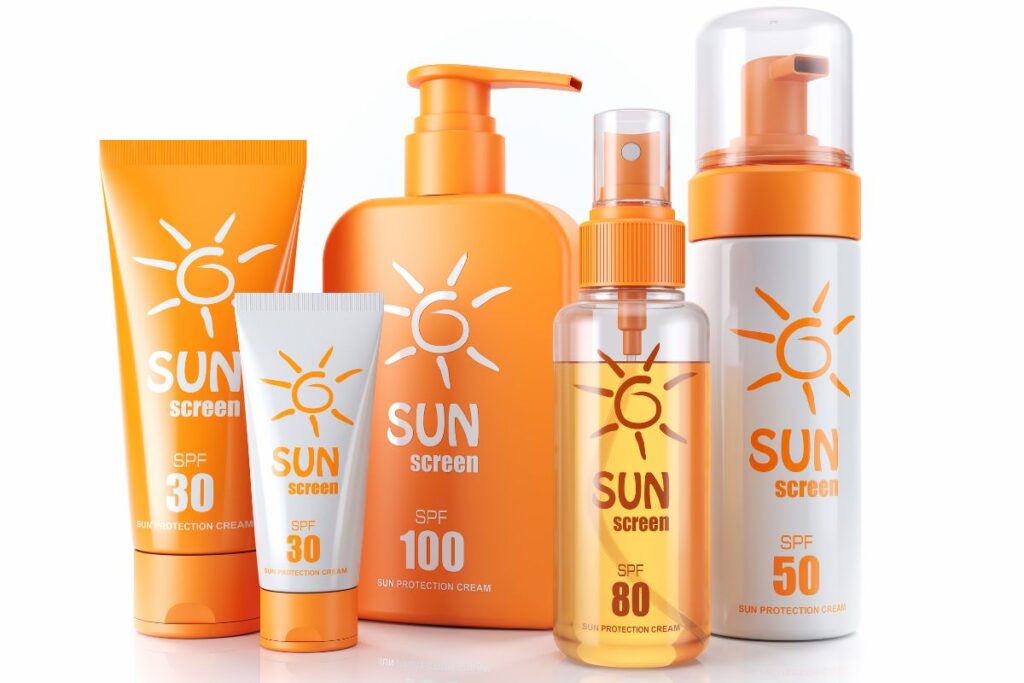
Selecting a sunscreen can feel like a complex task, with numerous options available on store shelves. A product that works well for one person might not be the best fit for another. Understanding your skin type is the first step toward finding a sunscreen that protects while feeling comfortable for daily use. You can navigate the choices by understanding skin types, ingredients, and different formulations.
How Do Skin Types Differ?
Knowing your skin type helps you select a sunscreen formulation that complements your skin’s natural tendencies. This can make daily application a more pleasant experience.
Oily or Acne-Prone Skin
Individuals with oily skin often produce excessive sebum, which can result in a shiny appearance and clogged pores. A lightweight sunscreen is often a good choice. Look for products labeled “non-comedogenic,” as they are formulated not to block pores. Gels or fluid lotions can provide protection without adding extra oiliness to the skin.
Dry or Sensitive Skin
Dry skin lacks moisture and can sometimes feel tight or flaky. Sunscreens with hydrating ingredients can offer both sun protection and much-needed moisture. Individuals with sensitive skin may experience reactions to specific fragrances, preservatives, or active ingredients. A patch test on a small area of skin may be a helpful step before applying a new product to your entire face.
Finding a sunscreen that feels good makes it easier to use consistently. The right texture and formula can help you maintain a regular sun protection habit.
Which Ingredients Should You Avoid?
Reading the ingredient list on a sunscreen bottle can help you make an informed choice. Certain ingredients are more likely to cause reactions for some people. Some ingredients to be aware of include:
- Oxybenzone: This is a common chemical used as a UV filter. Some individuals may experience skin reactions.
- PABA (Para-aminobenzoic acid): Once a popular ingredient in sunscreens, PABA is used less frequently now. It has been known to cause sensitivity in some users.
- Fragrances: Added scents make a product smell pleasant, but they are also a common source of skin irritation. People with sensitive skin might prefer fragrance-free options.
Choosing a sunscreen formulated for sensitive skin may be a good starting point. These products often exclude common irritants to minimize the risk of a reaction.
Is Mineral or Chemical Better?
Sunscreens generally fall into two categories: mineral and chemical. Mineral sunscreens, also called physical sunscreens, sit on the surface of the skin. They create a barrier that reflects UV rays. The active ingredients are typically zinc oxide and titanium dioxide. These ingredients are often well-tolerated by individuals with sensitive skin.
Chemical sunscreens work differently. They absorb UV radiation and convert it into heat, which is then released from the skin. Common active ingredients include avobenzone, octinoxate, and oxybenzone. These formulas tend to be lighter in texture and rub into the skin without leaving a white residue. The choice between mineral and chemical sunscreen often comes down to personal preference and skin sensitivity.
Don’t Forget the Sunscreen
Finding the right sunscreen for your skin type simplifies your daily routine and supports your skin’s health. By understanding your skin’s needs and learning to read ingredient labels, you can choose a product with confidence. Remember to apply it as the final step in your morning skincare routine.