
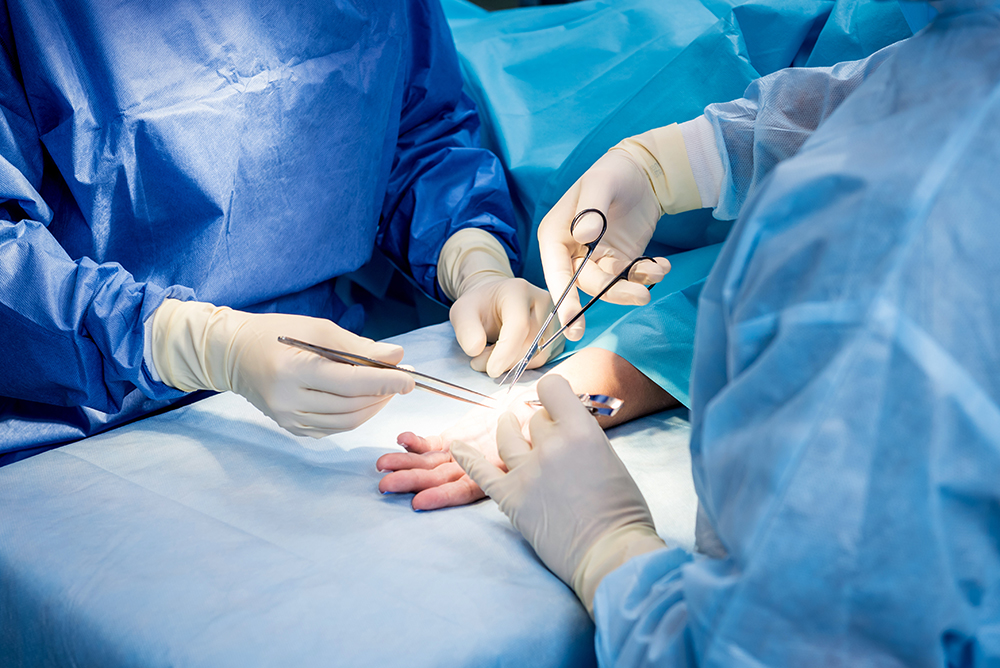
An orthopedic surgeon specializes in the diagnosis of conditions affecting the musculoskeletal system, and they also administer treatment for these issues. While many people associate these specialists only with complex surgeries, they also provide various nonsurgical treatments to help patients regain mobility. Conservative treatment options may include physical therapy or specialized exercise programs. Here is more information about orthopedic surgeons and what they can do for musculoskeletal health:
Orthopedic Surgeons
An orthopedic surgeon is a medical professional who focuses on the skeletal system and its associated structures; these structures include muscles, joints, tendons, and ligaments. Known as orthopedics, this field of medicine involves both surgical and nonsurgical interventions to manage injuries and chronic conditions. These specialists provide comprehensive care in private practices and hospitals. These surgeons treat a wide range of issues:
- Osteoarthritis and joint degeneration.
- Sports injuries like ACL tears or meniscus damage.
- Shoulder conditions, including rotator cuff tears and slap tears.
- Fractures and dislocations.
- Carpal tunnel syndrome and other nerve-related issues.
Orthopedic Treatment
If you experience persistent pain that does not improve with rest or basic home care, visiting an orthopedic specialist may help. One sign that an appointment may be an option for you is limited range of motion. Other signs can include difficulty performing daily tasks, or joint instability; sharp pain during physical activity or swelling that lingers after an injury can indicate an underlying problem that requires a professional evaluation.
Initial Appointment
The first visit typically begins with a health evaluation and a review of your medical history. A surgeon will conduct a physical exam to assess your strength and flexibility; they will examine the specific area causing discomfort. To help the surgeon with the diagnosis, you can come prepared to discuss your symptoms, the severity, and any triggers you may have noticed. To identify the exact cause of your symptoms, the specialist can use several diagnostic tools:
- Digital X-rays to view bone structures.
- MRI or CT scans for detailed images of soft tissues.
- Discussion of lifestyle factors and symptom triggers.
- Assessment of previous treatments and their effectiveness.
Subsequent Appointments
After diagnosing the condition, the surgeon will recommend a personalized treatment plan based on the severity of the issue. Many orthopedic conditions are managed with conservative methods, and patients may see their specialist regularly to monitor progress. If nonsurgical options do not achieve the desired result, the surgeon can discuss the process for a surgical procedure. Your treatment path may involve:
- Physical therapy and specialized exercise programs.
- Injections such as stem cell therapy or platelet-rich plasma therapy.
- Minimally invasive arthroscopic surgery.
- Total joint replacement, such as knee replacements or shoulder procedures.
Find an Orthopedic Surgeon Today
An orthopedic surgeon is a specialist dedicated to treating the musculoskeletal system to restore function and reduce pain. Seeking professional care allows you to address joint issues, and they can address sports injuries with advanced medical expertise. Treatment from a surgeon may include conservative measures such as physical therapy or more advanced measures, such as surgery, for more severe or long-term cases. To learn more about the benefits of orthopedic surgery and other treatments, consult an orthopedic surgeon near you.
