
Cardiology tests help healthcare providers evaluate how the heart functions and how blood moves through the body. A cardiologist uses these tests to identify structural concerns, rhythm changes, and circulation problems. Providers select tests based on symptoms and medical history, and they explain the purpose of each procedure before it begins.
Understanding Tests From a Cardiologist
A cardiologist often begins with noninvasive diagnostic tests. An electrocardiogram records the electrical activity of the heart. It detects irregular rhythms, and it may show signs of heart injury. During this test, a clinician places small sensors on the skin, and the device records electrical signals while the patient remains still.
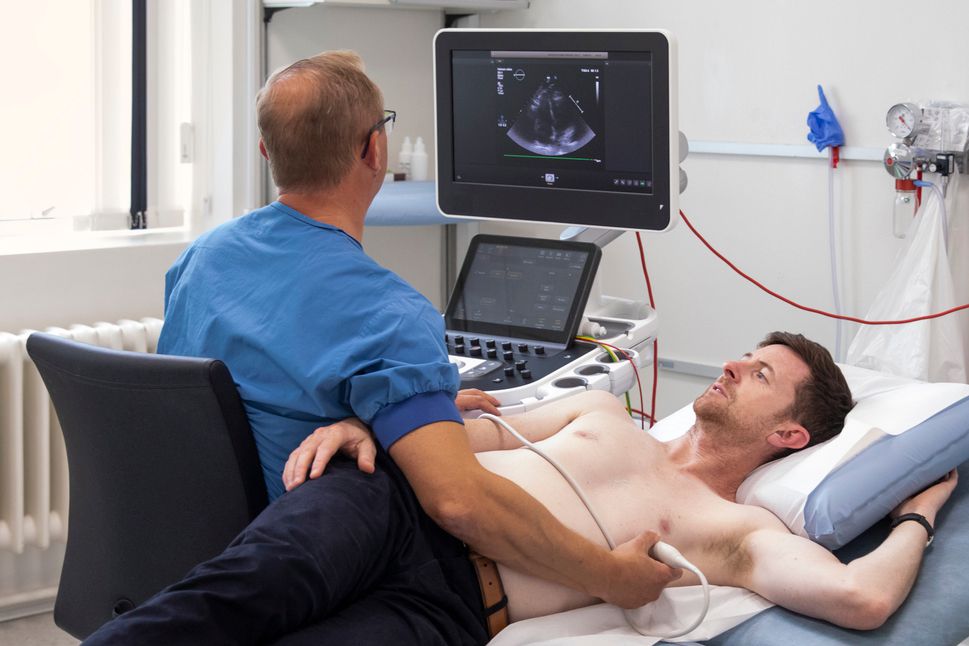
An echocardiogram uses sound waves to create moving images of the heart. This test shows how the chambers and valves function. It evaluates pumping strength, and it helps identify structural problems that affect blood flow. A stress test measures how the heart responds to physical activity or medication, and clinicians monitor heart rate, rhythm, and blood pressure throughout the procedure. Each test provides specific information, but together they offer a more complete assessment of cardiac performance.
Providers recommend imaging to evaluate blood vessels. A computed tomography scan of the coronary arteries produces detailed images. The test may use contrast material to improve visibility, and it allows clinicians to evaluate narrowing or blockage. These studies provide additional information when standard testing does not fully explain symptoms.
Preparing for a Cardiology Evaluation
Preparation helps ensure accurate results and supports patient safety. Providers give instructions before the appointment. Patients may need to avoid food or beverages for several hours, and they may need to adjust certain medications as directed. When patients follow instructions carefully and ask questions about unclear steps, they reduce the risk of delays or incomplete results.
Clothing choice helps. Patients should wear loose garments that allow access to the chest and limbs. They should avoid lotions or powders because these products can interfere with sensors, and they should remove metal objects if instructed. Some evaluations require patients to limit caffeine beforehand, and providers explain these restrictions in advance. If a procedure involves sedation, patients must arrange transportation home because sedation affects alertness and coordination.
Clear communication improves preparation. Patients should report all medications and supplements. They should also inform the care team about allergies or prior reactions to contrast material, and they should describe recent symptoms in detail. Careful preparation allows the clinical team to proceed efficiently and safely.
During and After Cardiology Procedures
The setting varies depending on the test. Many diagnostic procedures occur in outpatient clinics. During an electrocardiogram, clinicians attach sensors to the skin, and the machine records heart activity within minutes. An echocardiogram involves a handheld device placed against the chest, and a technician moves it to capture images from different angles.
More involved procedures require specialized monitoring. In a catheter-based procedure, a physician inserts a thin tube into a blood vessel and guides it toward the heart. The team monitors vital signs throughout the process, and they may administer medication to promote relaxation while maintaining responsiveness. These procedures provide detailed information, but they require observation during recovery.
After certain procedures, patients rest in a monitored area. Clinicians check blood pressure, heart rate, and the insertion site. Patients may notice mild soreness or bruising, and they receive instructions about temporary activity limits before discharge. When patients follow recovery guidelines and report unusual symptoms promptly, they support proper healing and reduce the risk of complications.
Find a Clinic
Cardiology tests and procedures provide essential information about heart structure and function. A cardiologist selects specific evaluations based on individual symptoms and clinical findings. These tests range from simple electrical recordings to advanced imaging and catheter-based assessments. When patients understand preparation steps, procedural details, and recovery expectations, they participate more confidently in their care. Find a clinic to learn more.