
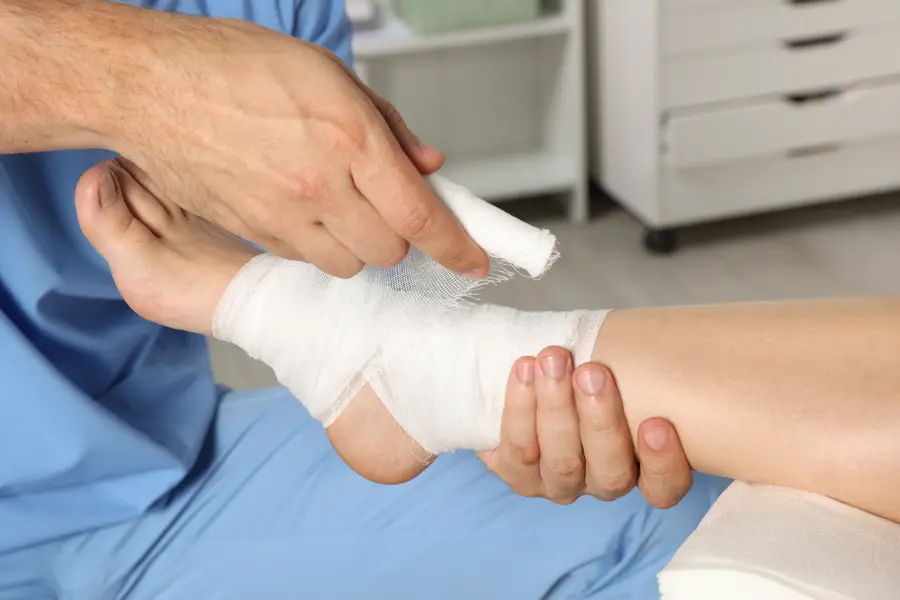
Diabetes significantly impacts the body’s natural ability to heal efficiently. High blood sugar levels gradually affect nerves and blood vessels throughout the body. This systemic damage makes consistent diabetic wound care a primary focus for many patients. Proper daily attention helps maintain mobility and prevents severe health outcomes. Understanding the connection between foot health and diabetes empowers you to take control.
How Do Wounds Develop?
High glucose levels often damage the peripheral nerves in the legs and feet, leading to a condition called neuropathy. This significant loss of sensation means you might step on a sharp object or develop a blister without feeling it. These injuries can go unnoticed for days or weeks, and without pain signals, there’s no instinct to protect the injury.
Circulation issues often accompany nerve damage in diabetic patients. Narrowed arteries restrict oxygen-rich blood flow to the lower extremities, which is necessary for healing damaged tissue. Without proper circulation, a minor scrape can turn into a non-healing ulcer, as white blood cells struggle to reach the site and fight bacteria.
This combination of numbness and poor blood flow creates a dangerous cycle. Patients may unknowingly continue walking on a wound, worsening the injury and opening it up to bacteria. Without proper diabetic wound care, infections can spread quickly, and in severe cases, gangrene may develop if tissue dies due to a lack of blood.
Which Practices Prevent Complications?
Establishing a rigorous daily routine helps protect vulnerable feet from injury. Consistent monitoring allows you to spot subtle changes before they require medical intervention. Small habits often make the biggest difference in maintaining long-term health.
- Inspect feet daily: Check for cuts, blisters, redness, or swelling every single evening. Use a handheld mirror to view the bottoms of your feet if reaching them proves difficult. Checking your feet must become a non-negotiable part of your evening routine.
- Wash and dry thoroughly: Clean your feet gently with lukewarm water and a mild soap. Dry the skin completely, paying close attention to the delicate spaces between toes to prevent fungal growth. Vigorous scrubbing can damage fragile skin and cause irritation.
- Wear protective footwear: Shoes should fit properly and protect toes from stubbing or stepping on sharp objects. Walking barefoot increases the risk of unseen injuries significantly, even inside your own home. Always shake out shoes before putting them on to remove hidden debris.
- Manage blood sugar levels: Keeping glucose within a target range supports healthy nerves and blood vessels. High sugar levels stiffen arteries and reduce the body’s ability to fight off infections. Consistently monitoring your levels aids the body’s natural repair processes.
- Trim nails carefully: Cut toenails straight across to prevent ingrown nails. File the edges gently with an emery board to remove sharp points. Seek professional help if your vision is poor or if nails are thick.
These steps form the foundation of effective home management. Inspecting the inside of shoes for pebbles or rough spots also protects skin. Consistency remains the key to avoiding serious medical issues.
When Is Specialist Care Needed?
Sometimes diligent home care does not resolve a developing issue. Signs of infection or worsening conditions require immediate professional evaluation to prevent escalation. Recognizing these warning signs early supports significantly better treatment outcomes.
- Persistent pain or throbbing in the foot
- Noticeable changes in skin color or temperature
- Unusual odor coming from a wound
- Discharge, pus, or bleeding that won’t stop
- Red streaking extending away from a wound
- Calluses with dried blood inside them
A podiatrist or wound care specialist provides advanced treatments unavailable at home. They remove dead tissue and offload pressure from the affected area. Early intervention prevents the infection from spreading to the bone or bloodstream.
Discuss Diabetic Wound Care
Proper foot care plays a primary role in managing diabetes effectively. Paying attention to your feet supports your overall well-being and independence. Effective diabetic wound care requires vigilance and prompt action when changes occur. We encourage you to schedule a comprehensive foot exam with your healthcare provider today. Taking charge of your health leads to better long-term results.