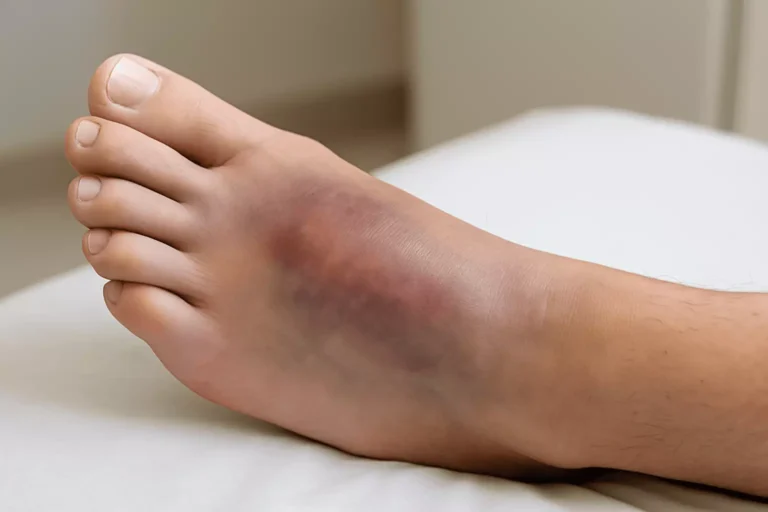
Understanding When To See a Podiatrist for Foot Pain
By Richard
Foot pain is a normal issue, but knowing when to seek professional help is not always clear. Podiatrists are medical specialists who diagnose and treat
Read more
By Richard
Foot pain is a normal issue, but knowing when to seek professional help is not always clear. Podiatrists are medical specialists who diagnose and treat
Read more
February 27, 2026
Orthotics are medical devices that are worn inside shoes to correct foot and ankle problems. These inserts address conditions like flat feet, high arches, plantar fasciitis, and gait abnormalities. Different types of orthotics serve different purposes, so understanding your options helps you select the most appropriate solution for your needs. Here is more information about shoe inserts and what they can do: What Are Foot Orthotics? Foot orthotics are inserts that are placed inside shoes to provide support and correction for various foot conditions. These devices redistribute pressure across the foot and help align the lower limbs during walking or
Read more
February 25, 2026
Heel pain is a common musculoskeletal complaint that can interfere with walking, exercise, and daily activities. Frequently associated with conditions such as plantar fasciitis, tendon inflammation, or stress-related injuries, heel pain may develop gradually or present suddenly following strain. Effective management often involves a combination of targeted exercises, supportive therapies, and, when necessary, clinical intervention. Stretching & Mobility Exercises Stretching is key to reducing heel pain and improving flexibility. Regular stretching helps lengthen tight muscles and tendons that cause heel soreness. This can provide significant relief over time. Strengthening & Stability Training Building strength in your feet and lower legs helps
Read more
January 31, 2026
Foot pain may disrupt your daily routine, making simple tasks feel overwhelming. Whether you are dealing with a persistent ingrown toenail, heel pain, or a sports injury, finding the right specialist is the first step toward relief. Choosing a podiatrist for your feet and ankles is a personal decision that requires careful consideration. This guide will walk you through the qualities to look for when selecting a podiatrist. By focusing on these key factors, you become confident in your choice, which helps you receive the care you need. Check Their Professional Credentials The most fundamental quality of a trustworthy provider
Read more
January 30, 2026
A bunion is a bony bump that forms on the joint at the base of your big toe, and this condition occurs when the bones in the front of your foot move out of place. This movement causes the tip of your big toe to get pulled toward the smaller toes, and it forces the joint at the base of your big toe to stick out. The skin over the bunions might be red and sore, creating discomfort with daily activities. Here are some surgical and non-surgical solutions: Footwear Modification Changing your footwear is a typical first step in addressing
Read more
January 29, 2026
As people age, they may experience a range of physical changes, and foot health can become a particular area of concern. Mobility and overall well-being are closely linked to the condition of one’s feet. Podiatry surgery and medicine is a specialized field dedicated to diagnosing and treating conditions of the foot, ankle, and related structures of the leg. For the elderly, this branch of medicine provides targeted care to manage age-related foot problems and maintain mobility. What Is Podiatry? Podiatric medicine is a branch of medicine treating disorders of the foot, ankle, and lower extremities. A podiatrist is a medical
Read more
January 26, 2026
Diabetes significantly impacts the body’s natural ability to heal efficiently. High blood sugar levels gradually affect nerves and blood vessels throughout the body. This systemic damage makes consistent diabetic wound care a primary focus for many patients. Proper daily attention helps maintain mobility and prevents severe health outcomes. Understanding the connection between foot health and diabetes empowers you to take control. How Do Wounds Develop? High glucose levels often damage the peripheral nerves in the legs and feet, leading to a condition called neuropathy. This significant loss of sensation means you might step on a sharp object or develop a blister
Read more
January 15, 2026
Plantar warts are small, noncancerous growths that appear on the heels or other weight-bearing areas of your feet. Caused by the human papillomavirus (HPV), these warts can be uncomfortable or painful. The virus enters the body through tiny cuts or breaks in the skin on the bottom of the feet. While they can resolve on their own, many people seek faster relief, and several options can be used at home. Over-the-Counter Remedies Many over-the-counter (OTC) remedies for plantar warts contain salicylic acid. This ingredient is available in various forms, including liquids, gels, and patches. Salicylic acid works by removing layers
Read more
January 13, 2026
Foot and ankle specialists are medical professionals who diagnose and treat conditions affecting the lower extremities. Because our feet and ankles support our entire body, seeking specialized care is a practical step when issues arise. These experts, also known as podiatrists, have extensive training to manage issues that affect your mobility. Here are four conditions treated by these specialists: 1. Plantar Fasciitis Plantar fasciitis is a typical cause of heel pain that develops when the thick band of tissue connecting the heel bone to the toes becomes inflamed. This condition often causes stabbing pain, which may be most intense with
Read more
January 12, 2026
Persistent foot discomfort can significantly impair mobility, balance, and daily activities. Foot pain is often a sign of underlying conditions affecting the bones, joints, nerves, or soft tissues, and it should not be ignored when symptoms persist or worsen. Here’s more information on Identifying and treating persistent foot discomfort: Recognizing Serious Foot Pain Mild foot pain often resolves with simple at-home care strategies such as rest and icing. Specific symptoms indicate the need for professional medical intervention; you should seek help if you experience sudden, severe pain that does not improve with over-the-counter medication. Signs of infection, such as redness,
Read more