
Breast cancer affects people globally, making awareness and education about its detection and treatment a public health priority. Understanding the fundamentals of this disease, recognizing its symptoms, and knowing about available screening methods can lead to earlier diagnosis. Cancer is often more responsive to treatment when diagnosed in its early stages, which can improve patient outcomes.
What Is Breast Cancer?
Breast cancer is a disease in which cells in the breast grow out of control. There are several types of cancer, the specific type depending on which cells in the breast turn into cancer. Lobules are the glands that produce milk, and ducts are tubes that carry milk to the nipple. Most breast cancers begin in the ducts or lobules. When cancer cells spread beyond their original location into surrounding breast tissue, the cancer is invasive. From the breast, cancer cells can travel to other parts of the body through lymph nodes.
How Is It Detected?
Recognizing the symptoms of breast cancer can prompt individuals to seek medical evaluation. Common symptoms may include a new lump in the breast or underarm, thickening or swelling of part of the breast, irritation or dimpling of breast skin, or redness and flaky skin. Some people experience pain in the nipple area, and any nipple discharge other than breast milk can also be a symptom. A change in the size or shape of the breast are other signs to note. Early detection relies on a combination of self-awareness and medical screening methods, including:
- Breast Self-Awareness: Being familiar with how your breasts normally look and feel is a key part of breast health. This allows you to notice any changes and report them to a healthcare provider without delay.
- Clinical Breast Exam: During a clinical breast exam, a doctor or nurse uses their hands to feel for lumps or other changes in the breasts and underarm area.
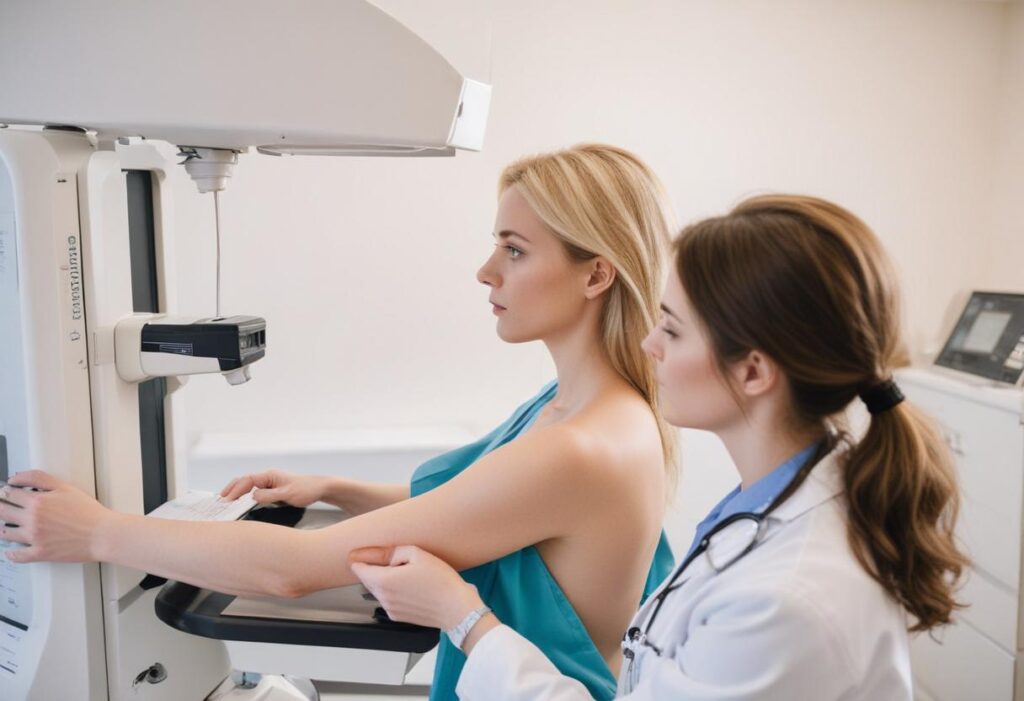
- Mammogram: A mammogram is an X-ray of the breast. Mammograms are a way to find breast cancer early, sometimes years before it can be felt.
- Breast Ultrasound and MRI: If a mammogram shows an area of concern, a doctor might recommend a breast ultrasound. A breast MRI may be used for women at high risk or to get more information about a suspicious area.
If a screening test reveals an abnormality, a biopsy is the definitive way to make a diagnosis. During a biopsy, a small sample of tissue is removed and examined under a microscope to check for cancer cells.
How Is It Treated?
Breast cancer treatment is highly personalized and depends on the type and stage of the cancer and the patient’s overall health. There are many approaches to treatment, including surgery, radiation therapy, chemotherapy, and targeted therapy. Surgery involves removing the cancerous tissue.
Radiation therapy uses high-energy rays to target cancer cells, killing them and preventing further spread. Chemotherapy uses drugs to destroy cancer cells or stop them from growing and is often used when cancer has spread or is at risk of spreading. Targeted therapy uses drugs that attack specific characteristics of cancer cells.
Seek Professional Cancer Care
After completing primary treatment for breast cancer, follow-up care is a standard part of the health journey. This ongoing monitoring is designed to manage any side effects of treatment and to watch for signs of cancer recurrence. Maintaining communication with your healthcare providers and adhering to the suggested schedule for check-ups helps manage your long-term health effectively.