
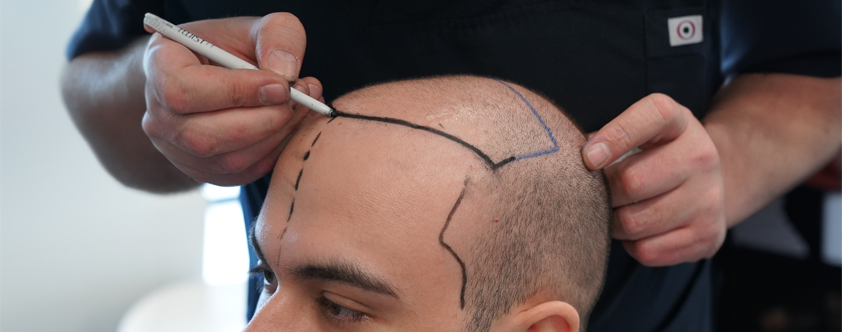
Hair loss is a medical condition that affects millions of people in the United States. A hair transplant is a surgical technique that involves moving hair follicles from a part of the body with sufficient growth to a bald or thinning area. Here is more information on the definition, specific types, and clinical benefits of hair transplantation to help patients understand their treatment options:
What Is a Hair Transplant?
A hair transplant is a cosmetic procedure used to treat varying degrees of alopecia by redistributing existing hair. The surgeon removes grafts from a donor site, which is usually located at the back or sides of the scalp, and implants them into the recipient area. This redistribution allows for natural hair growth in areas that previously experienced thinning or total loss. The success of the procedure depends on the quality and quantity of the available donor hair.
What Are the Different Types?
Two primary techniques are used in modern hair transplantation: follicular unit transplantation (FUT) and follicular unit extraction (FUE). Both methods involve the extraction and implantation of hair follicles, but they differ in how the donor hair is harvested. Here is more information on these two options:
Follicular Unit Transplantation (FUT)
Follicular unit transplantation (FUT) involves the surgical removal of a linear strip of skin from the donor area on the scalp. The medical team then dissects this strip under a microscope to separate individual follicular units for implantation. This method allows for the transplantation of a large number of grafts in a single session, making it suitable for patients requiring extensive coverage.
Follicular Unit Extraction (FUE)
Follicular unit extraction (FUE) is a technique where individual hair follicles are excised directly from the scalp using a specialized tool. This method eliminates the need for a linear incision, resulting in small, circular scars. FUE may benefit patients who want to avoid the longer recovery time associated with stitches.
What Does the Process Involve?
The surgical process begins with a comprehensive consultation to assess the scalp and determine the appropriate number of grafts. During the procedure, the surgeon extracts the grafts using either the FUT or FUE method. Technicians prepare the recipient site by making tiny incisions at specific angles to match the patient’s natural hair pattern. The surgical team then carefully places the grafts into these incisions, handling the delicate follicles with precision.
Post-operative care is a component of the process that dictates the healing timeline and final results. Patients may receive instructions regarding medication, washing techniques, and activity restrictions to protect the newly implanted grafts. Adhering to these guidelines improves the chances of a successful transplant.
What Are the Benefits?
A primary benefit of hair transplantation is achieving a natural-looking appearance. Surgeons place grafts to mimic the natural direction and angle of hair growth, potentially rendering the transplant undetectable once fully healed. Modern techniques enable high-density placement, effectively restoring the hairline and filling in thinning areas seamlessly.
Maintenance for transplanted hair is minimal and mirrors the care required for natural hair. Patients wash, cut, and style their restored hair just as they would their original hair once the healing process is complete. This makes the procedure a practical option for individuals seeking a restoration method that integrates into their daily hygiene routine.
Schedule a Consultation Today
Hair transplantation offers a permanent and effective solution for individuals looking to address hair loss and restore density. Understanding the distinctions between extraction methods allows patients to choose the technique that suits their anatomical needs and lifestyle. Contact a qualified hair restoration specialist to assess your eligibility and develop a personalized treatment plan.