
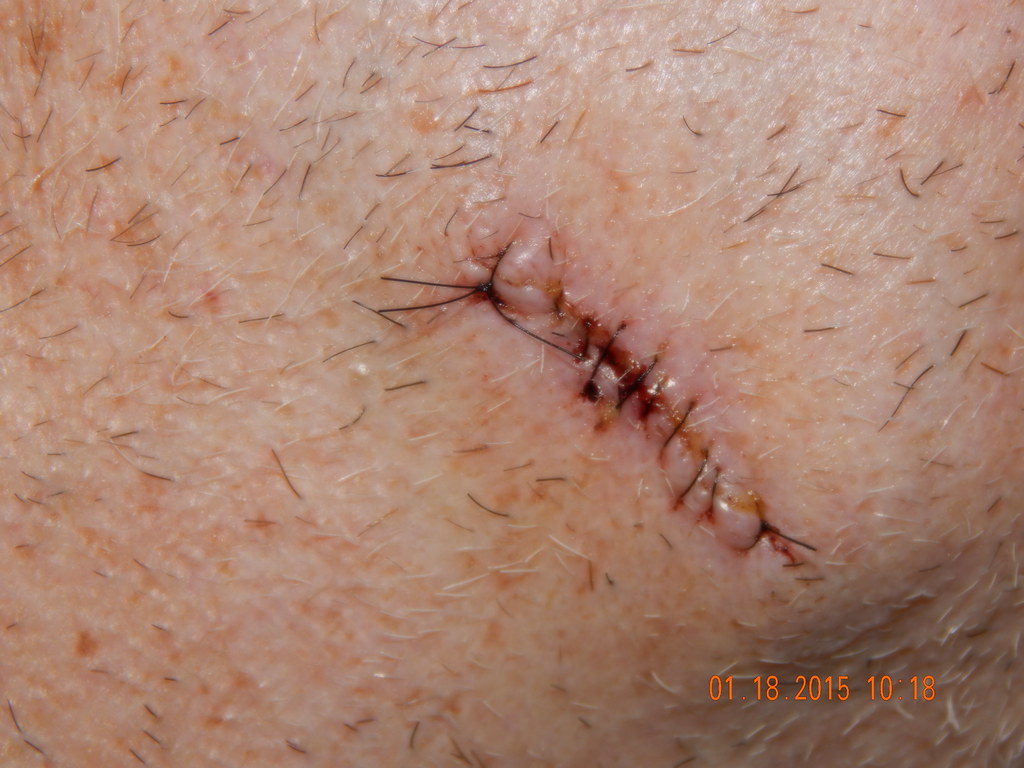
Skin cancer is a common form of cancer in the United States. When a diagnosis occurs, a dermatologist may discuss various treatment options. One specific procedure developed for treating certain skin cancers is Mohs surgery. This surgical technique is a precise method that allows for the removal of cancerous tissue while preserving as much healthy tissue as possible.
What Is Mohs Surgery?
Mohs surgery is a specialized procedure for removing certain types of skin cancer. The technique involves the systematic removal of thin layers of skin at the cancer site. After each layer is removed, it is immediately examined under a microscope.
The process continues layer by layer until no cancer cells are detected in the examined tissue. This methodical approach allows the surgeon to identify and remove the entire tumor. The ability to check the tissue during the surgery itself can distinguish this method from other skin cancer treatments. The surgeon performing the procedure is specially trained in surgery and dermatology.
Who Is It For?
Dermatologists evaluate several factors when determining if a patient is a suitable candidate for Mohs surgery. The procedure is most frequently recommended for treating certain types of cancer, such as melanoma. The location of the skin cancer is a primary determinant. Mohs surgery is often used for cancers located on areas of the body where preserving healthy tissue is a priority, such as the face. It can also be a preferred option for large skin cancers that have indistinct borders or have recurred after previous treatment. A thorough evaluation by a dermatologist will determine if Mohs surgery is the most appropriate course of action for an individual’s specific diagnosis and circumstances.
What Are the Benefits?
Mohs surgery offers several distinct advantages in the treatment of specific skin cancers. One of the main benefits is its precision. Because the surgeon examines most of the tissue margins, the procedure provides a comprehensive analysis of the tumor, allowing for the complete removal of cancerous cells. This meticulous examination during the surgery minimizes the chance of recurrence.
Another benefit is tissue conservation. By removing only the tissue that contains cancer cells, the surgeon can spare the maximum amount of healthy surrounding skin. This is particularly valuable for procedures on cosmetically and functionally sensitive areas. Preserving healthy tissue can lead to a smaller wound, which may simplify the repair process and support a more favorable functional and aesthetic outcome.
The procedure is typically performed on an outpatient basis. After the cancerous tissue is entirely removed, the surgeon can discuss options for repairing the wound. Depending on the size and location of the area, the repair might involve letting the wound heal naturally, closing it with stitches, or using a skin flap or graft.
Speak Further With Your Dermatologist
Your specific situation and medical history require personalized attention from a qualified professional. A dermatologist can perform a complete examination, review your diagnosis, and discuss all available treatment options with you. Speaking with your doctor will help you understand what to expect from any recommended procedure.