
Internal medicine physicians, or internists, specialize in managing complex illnesses in adults. Diabetes is one of the most common chronic conditions they encounter. Managing it involves a comprehensive approach that goes beyond simple blood sugar control. It requires a deep understanding of the patient’s overall health, lifestyle, and any co-existing medical conditions. Internists are uniquely qualified to provide this level of detailed care and coordinate treatment plans that address the multifaceted nature of diabetes and its effect on the body.
What Is Diabetes?
Diabetes is a chronic metabolic disorder characterized by high levels of blood glucose, often called blood sugar. This condition arises when the body either does not produce enough insulin or cannot effectively use the insulin it produces. Insulin is a hormone made by the pancreas. It allows glucose from food to enter the body’s cells to be used for energy.
There are several types of diabetes, with the most common being Type 1, Type 2, and gestational diabetes. Type 1 diabetes is an autoimmune condition where the body’s immune system attacks and destroys the insulin-producing cells in the pancreas. People with Type 1 produce very little or no insulin and require daily insulin injections to live. It typically develops in children and young adults.
Type 2 diabetes is the most prevalent form. In this type, the body either resists the effects of insulin or does not produce enough insulin to maintain normal glucose levels. It is often associated with lifestyle factors like obesity and physical inactivity. Gestational diabetes develops during pregnancy in women who did not have the condition before. It can pose risks to both the mother and the baby if not managed properly. Gestational diabetes usually resolves after delivery.
What Are the Symptoms?
The symptoms of diabetes can vary depending on the type and how elevated the blood sugar is. In some cases, especially with Type 2, individuals may not experience any symptoms initially. When symptoms do appear, they can develop gradually. Common symptoms associated with diabetes include:
- Frequent urination
- Increased thirst and hunger
- Fatigue
- Blurred vision
- Slow-healing sores
Recognizing these symptoms is a first step toward seeking a diagnosis and beginning a management plan. An internist can perform tests to determine if these symptoms are related to diabetes.
How Is It Treated?
Diabetes management is a lifelong commitment to maintaining blood sugar levels within a target range to prevent or delay long-term complications. Treatment plans are highly individualized, developed by physicians in collaboration with their patients. Management strategies often involve a combination of approaches:
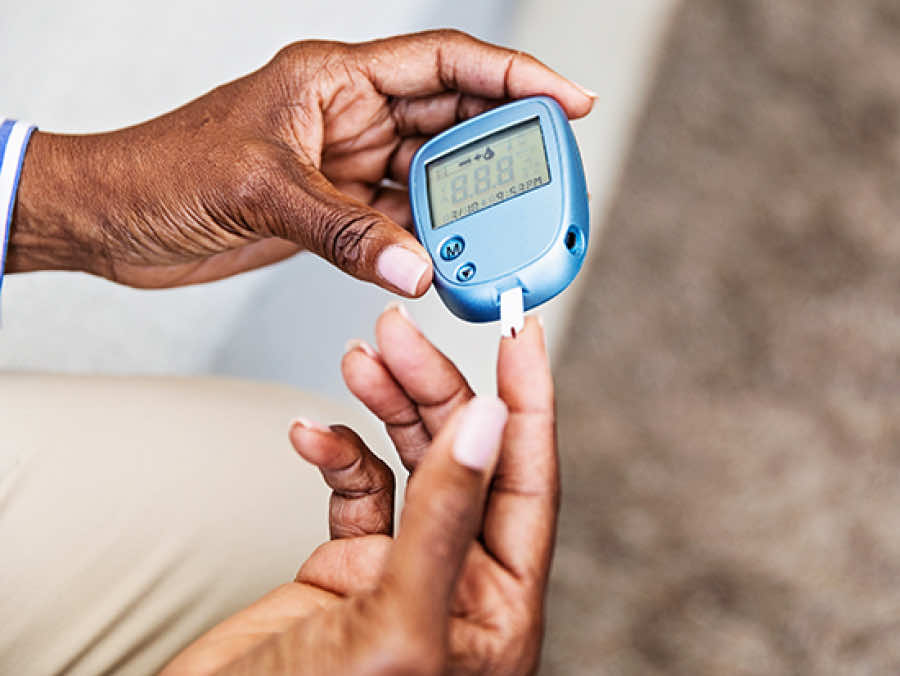
- Blood Sugar Monitoring: Regular monitoring of blood glucose levels is fundamental to management. This can be done using a glucose meter.
- Medication: For Type 1 diabetes, insulin therapy is necessary. In some cases, people with Type 2 may also need insulin.
- Lifestyle Adjustments: A balanced diet focused on whole foods can help regulate blood sugar. Regular exercise helps improve insulin sensitivity and contributes to overall health.
Certain technologies can automate insulin delivery and provide detailed insights into glucose trends, helping patients and their doctors make more informed decisions about treatment.
Speak With an Internist
An internist provides comprehensive care for adults and focuses on the prevention, diagnosis, and treatment of a wide range of diseases. For individuals with diabetes, an internist acts as a primary care provider who can manage the condition and coordinate with other specialists. This integrated care model helps address the various ways the condition affects the body. Regular consultations with an internist can help you develop a personalized and effective diabetes management plan.