
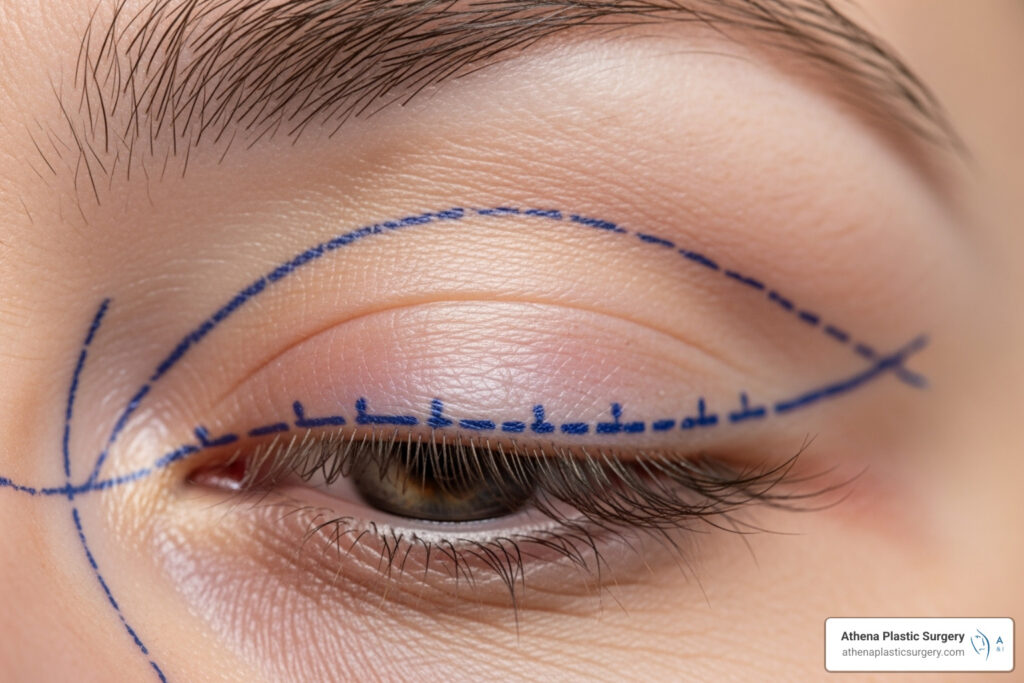
Eyelid surgery, or blepharoplasty, is a procedure that addresses excess skin on the eyelids. You might seek this surgery for various reasons, so your provider will answer common questions. Learning the facts helps you feel more prepared for your next steps, because you know what to expect.
Reason for the Procedure
Many people seek eyelid surgery for different reasons. Prolonged allergies sometimes contribute to skin sagging, altering the appearance and feel of your eyelids. Natural aging also affects the skin around your eyes, sometimes leading to folds or drooping. You may notice your eyelids feel heavier, and it is harder to keep your eyes fully open. For some, these changes affect how they look or make daily activities such as reading or looking upward more difficult. Sometimes it is necessary to adjust your head position or line of sight to see objects more clearly. If you recognize any of these situations, it is helpful to discuss practical options with a medical professional.
Vision Improvement and Clearing
Sometimes eyelid surgery is performed for reasons beyond cosmetic ones, and your provider can perform both. Excess skin that droops around your eyes can make it harder to see clearly, affecting activities like reading or driving. You may find it challenging to read traffic signals or to avoid missing lines. People sometimes notice similar difficulties when watching television, using a computer, or doing chores that require an unobstructed view. When the skin fold drops over the lash line, it blocks part of your upper field of vision. You might tilt your head for clarity, or raise your brows to improve visibility. If you recognize these situations, discuss them with a healthcare provider who will review your concerns. Talk through the next steps based on your needs and ask all your questions.
Surgery Expectations and Types
Understanding the surgery helps you prepare, since you will be informed. The procedure focuses on removing or adjusting excess skin and tissue, which can help if drooping skin affects your daily routine. Sometimes you find it easier to complete tasks or enjoy activities without frequent adjustments. Your surgeon will explain the process, and they will outline what to expect on surgery day. Recovery may include some swelling and bruising. Following post-operative instructions, such as using cold compresses, elevating your head, and avoiding strenuous activities, supports healing. Many people resume their routines within a couple of weeks, but the timeline varies. You and your healthcare provider discuss what to expect.
Top and bottom eyelid surgeries, while both aimed at rejuvenating the eye area, address different concerns and involve distinct techniques. Upper eyelid surgery, or blepharoplasty, focuses on removing excess skin. In some cases, small amounts of fat that cause sagging or drooping are also removed. This procedure enhances the appearance of the eyes, and it may improve vision. Lower eyelid surgery targets puffiness, bags, and wrinkles under the eyes. This involves redistributing or removing excess fat, tightening the skin, and, in some cases, addressing muscle laxity. The goal may be a smoother contour. Depending on your needs, one or both procedures may be recommended. Your healthcare provider will guide you toward the best approach to meet your goals.
Schedule Eyelid Surgery Today
If you are experiencing issues with droopy eyelids, speaking with a qualified professional is a good next step. A consultation allows you to discuss your concerns, and you can learn about potential options. This meeting is an opportunity to get personalized information and have your questions answered. Do not hesitate to make an appointment. Discuss eyelid surgery today.