
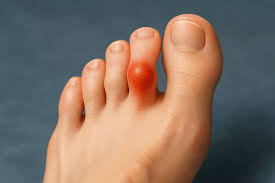
Neuromas are thickened nerve tissues that can develop in various parts of the body, though they most frequently occur in the ball of the foot. This condition, often referred to as a “pinched nerve” or a benign tumor of nerve tissue, creates discomfort and pain. A neuroma generally arises between the third and fourth toes, leading to sensations that patients often describe as standing on a pebble or having a fold in their sock. It can result from irritation, pressure, or injury to one of the nerves leading to your toes.
Identifying Common Causes
The primary cause of a neuroma is repetitive stress or irritation to a nerve. When the nerve is repeatedly aggravated, the body creates extra tissue around it as a protective reaction. Unfortunately, this defense mechanism often results in pain and discomfort.
High-impact activities like running or jogging can cause repetitive trauma to the feet, which can irritate the nerves in the ball of the foot, bringing about inflammation and swelling. Acute trauma or injury to the foot can also directly damage the nerve. This damage triggers the thickening process that defines a neuroma.
Recognizing Nerve Compression
Nerve compression is a part of this condition and is influenced by anatomical factors. Some of the main contributors can include:
- Foot deformities: Conditions like bunions, hammertoes, or flat feet increase the risk of nerve issues by altering the mechanics of the foot.
- Tighter nerve spaces: Structural irregularities force nerves into tighter spaces, causing them to be more prone to pinching.
- Ligaments and bones: These can crowd the nerve pathway if naturally positioned to cause compression.
- Narrow metatarsal spaces: The space between the metatarsal bones is naturally small, and any further reduction in space heightens the risk of nerve entrapment.
Examining Footwear Choices
Your choice of footwear is an external risk factor for developing foot nerve problems. Narrow toe boxes or high heels cramp the toes, increasing pressure on the forefoot and compressing the nerve. Over time, this pressure aggravates nerve tissue. Shoes without proper arch support or shock absorption may also contribute to the problem.
Understanding Health Conditions
Certain health conditions can increase the risk of nerve damage and inflammation. Metabolic disorders like diabetes can impact nerve health throughout the body, while inflammatory diseases such as gout or rheumatoid arthritis may indirectly compress nerves in the foot. Identifying these underlying health issues is beneficial for managing foot health.
Evaluating Lifestyle Factors
Your lifestyle and occupation can also affect your risk of developing this condition. The following factors may contribute to nerve compression and irritation in the feet:
- Occupational Stress: Professions that require long periods of standing, such as retail or teaching, put continuous stress on the feet. This can fatigue the foot’s structures and reduce their ability to protect the nerves.
- High-Impact Sports: Athletes who wear tight-fitting equipment, such as rock climbers or skiers, face an increased risk due to the compressive force of their gear.
- Body Weight: Excess body weight increases the load on the feet, adding pressure on the nerves with every step. Maintaining a healthy weight may help alleviate this stress.
Take Control of Neuroma Risk
Understanding the factors that contribute to nerve thickening helps you make decisions about your foot health. While some risk factors, like foot structure, are innate, others, like footwear choices, are modifiable to reduce stress on your feet. Early intervention prevents the condition from worsening. If you are experiencing persistent foot pain, consult a qualified healthcare provider to discuss your symptoms and treatment options.