
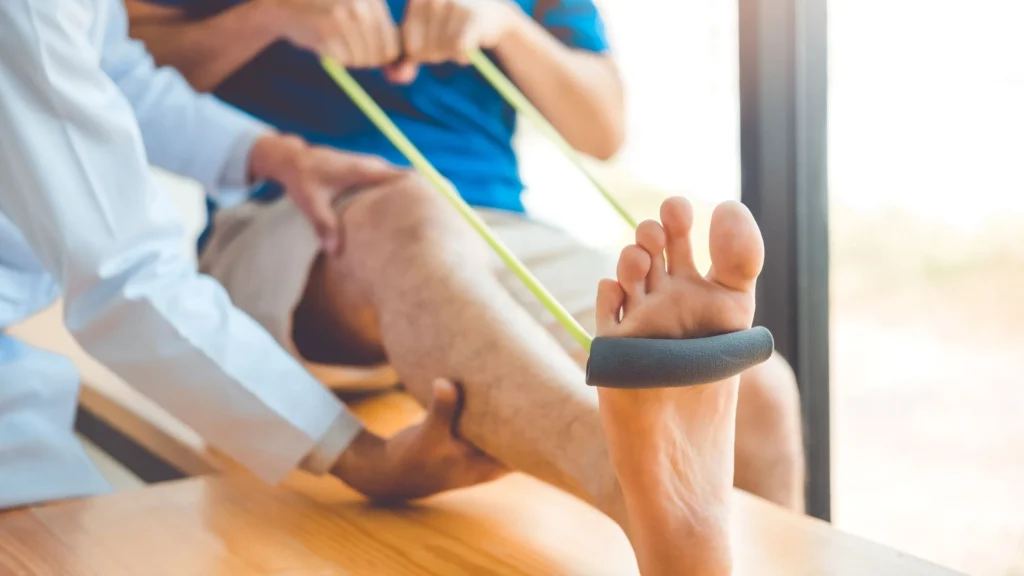
Occupational therapy helps individuals regain independence after experiencing physical injuries that affect daily functioning. Therapists work with patients recovering from conditions such as fractures, burns, traumatic brain injuries, spinal cord injuries, and soft tissue damage. Through personalized treatment plans, this therapy enables patients to rebuild skills needed for work, self-care, and everyday activities; these plans also help with managing pain and preventing further complications. Here is more information about occupational therapy and the benefits it may provide during injury recovery:
Managing Various Conditions
Occupational therapy is one method that supports recovery from numerous injury types. Orthopedic injuries like fractures and joint damage often limit mobility and hand function. Burns can restrict movement due to scar tissue formation, and nerve injuries may cause weakness or loss of sensation.
Traumatic brain injuries affect cognitive and physical abilities, potentially making routine tasks challenging; spinal cord injuries can result in partial or complete loss of motor function. Amputations require learning new ways to perform familiar activities. Each condition benefits from targeted therapeutic interventions that address specific functional limitations.
Designing Treatment Plans
Treatment begins with a comprehensive assessment of physical abilities, cognitive function, and environmental factors. Therapists evaluate range of motion and strength, and they test coordination and sensory processing to identify areas needing intervention. They develop individualized treatment plans that address specific goals.
Therapeutic exercises restore strength and flexibility in affected areas. Patients practice functional activities that mirror real-world tasks they need to perform independently. Therapists may recommend adaptive equipment like specialized utensils, dressing aids, or modified tools that compensate for limitations, and they also provide education on energy conservation techniques and joint protection strategies to prevent re-injury.
Some key interventions include:
- Fine motor skill training for hand dexterity and coordination.
- Activities of daily living practice, like bathing and meal preparation.
- Cognitive rehabilitation for memory and problem-solving.
- Sensory re-education to restore tactile awareness.
- Work conditioning programs that prepare patients to return to employment.
Regaining Your Independence
Anyone experiencing difficulty with daily activities following an injury can benefit from occupational therapy, but individuals recovering from workplace accidents or sports injuries often require this specialized care. Stroke survivors frequently need therapy that helps them relearn basic skills. Patients with chronic pain conditions affecting function find relief through therapeutic strategies.
Children recovering from injuries receive pediatric therapy tailored to developmental needs. Older adults may benefit from fall prevention programs, and they can learn techniques that may help them maintain independence. These personalized programs can achieve results despite age-related changes that may be difficult when combined with injury recovery.
Recognizing Warning Signs
Several indicators suggest occupational therapy could aid recovery. Struggling to complete self-care tasks like grooming or dressing independently points to functional limitations. Another sign can be difficulty returning to work due to physical restrictions or pain; this difficulty could warrant professional intervention with an occupational therapist.
Persistent pain during everyday movements indicates a need for therapeutic guidance. If you cannot perform household tasks you managed before injury, this therapy addresses these gaps. Decreased hand strength or coordination affecting your ability to write, type, or manipulate objects requires specialized attention; cognitive challenges following head trauma, such as memory problems or difficulty concentrating, respond well to cognitive rehabilitation techniques.
Learn More About Occupational Therapy
Occupational therapy plays a role in helping injured individuals regain independence and quality of life, and through personalized assessment and treatment, therapists address physical, cognitive, and environmental barriers to function. Whether recovering from fractures, burns, brain injuries, or other conditions, this therapy provides the tools and strategies needed to return to meaningful activities. To learn more about the benefits of occupational therapy, consult an occupational therapist near you.