
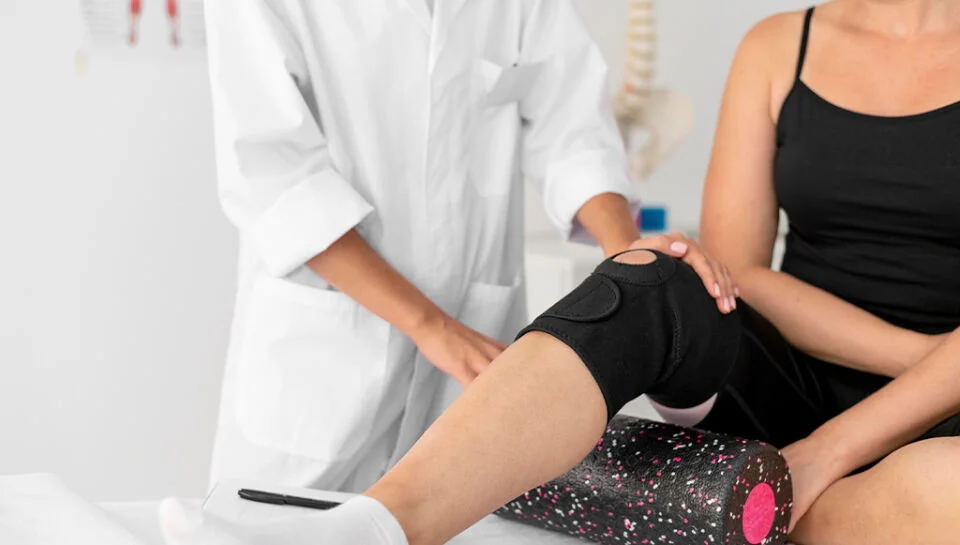
Arthritis is a medical condition characterized by inflammation of one or more joints, leading to pain, stiffness, and reduced range of motion. The two most common types are osteoarthritis, which develops when cartilage breaks down over time, and rheumatoid arthritis, an autoimmune disorder where the body’s immune system attacks joint tissue. Both forms affect joint mobility, and they make everyday tasks like walking and gripping objects increasingly difficult. Here is more information about arthritis and how it affects joint mobility:
Understanding Joint Inflammation Causes
Multiple factors contribute to the development of arthritis. Age plays a role in osteoarthritis because cartilage naturally deteriorates as we get older. Genetics can predispose individuals to certain types of arthritis; this is especially true of rheumatoid arthritis, which tends to run in families.
Joint injuries from sports or accidents increase the risk of developing arthritis later in life; repetitive stress on specific joints from occupational activities or athletic training can accelerate cartilage breakdown. Autoimmune responses trigger rheumatoid arthritis when the immune system mistakenly targets healthy joint tissue. Obesity places extra pressure on weight-bearing joints like the knees and hips, accelerating cartilage wear and increasing inflammation throughout the body.
Recognizing Common Physical Symptoms
Arthritis presents through several recognizable symptoms that vary in severity. Joint pain ranges from mild discomfort to severe, debilitating sensations; these symptoms can interfere with daily activities. Stiffness typically worsens after periods of inactivity, such as first thing in the morning or after sitting for extended periods.
Swelling occurs when inflammation causes fluid buildup around affected joints. Redness and warmth develop in the skin surrounding inflamed joints, and this indicates active inflammation. Many people with arthritis may experience:
- Decreased range of motion that makes bending, reaching, or rotating joints difficult
- Grinding or clicking sensations when moving affected joints
- Weakness in muscles surrounding arthritic joints
- Fatigue that affects overall energy levels and daily functioning
Reducing Range of Motion Risks
Arthritis directly reduces joint mobility through several mechanisms. Inflammation causes joint tissues to swell, and this restricts normal movement and creates a sensation of tightness. As cartilage wears away, bones may rub together during movement, causing pain that discourages physical activity.
The body responds to chronic joint pain by tightening surrounding muscles and tendons, and this protective response further limits the range of motion. Over time, joints may develop deformities that permanently alter their structure and function. Bone spurs can form around affected joints, and this creates physical barriers to smooth movement.
Balance and coordination often decline because arthritis changes how joints bear weight and respond to movement. Walking patterns may shift to compensate for pain or stiffness in the hips, knees, or ankles. These compensatory movements can create additional strain on other joints and muscles, and this potentially spreads mobility problems to previously unaffected areas.
Improving Mobility Through Treatment
Several treatment approaches may help preserve and improve joint mobility in people with arthritis. Physical therapy teaches specific exercises, and the goal is to strengthen muscles supporting affected joints while maintaining flexibility. A physical therapist can design a personalized program that addresses individual mobility limitations.
Medications help manage inflammation and pain that restrict movement. Nonsteroidal anti-inflammatory drugs reduce swelling in joints. Disease-modifying antirheumatic drugs can slow the progression of rheumatoid arthritis, and they help preserve joint function.
Low-impact exercises like swimming, water aerobics, and cycling maintain joint mobility without placing excessive stress on damaged cartilage. Assistive devices such as canes, walkers, or specially designed utensils reduce strain on arthritic joints during daily activities. Some people benefit from:
- Hot and cold therapy to reduce stiffness and inflammation.
- Occupational therapy to learn joint-protection techniques.
- Weight management programs that reduce stress on weight-bearing joints.
- Injections of corticosteroids or hyaluronic acid directly into affected joints.
Joint replacement surgery may become necessary when arthritis severely damages joints and conservative treatments no longer provide adequate relief. This procedure can restore significant mobility and reduce pain in advanced cases.
Learn More About Arthritis
Arthritis affects joint mobility through inflammation, cartilage breakdown, and structural changes that restrict normal movement. The condition develops from various causes, including age, genetics, injuries, and autoimmune responses; symptoms like pain, stiffness, and swelling progressively limit the range of motion and interfere with daily activities. To learn more about arthritis diagnosis and treatment, consult a pain specialist near you.