
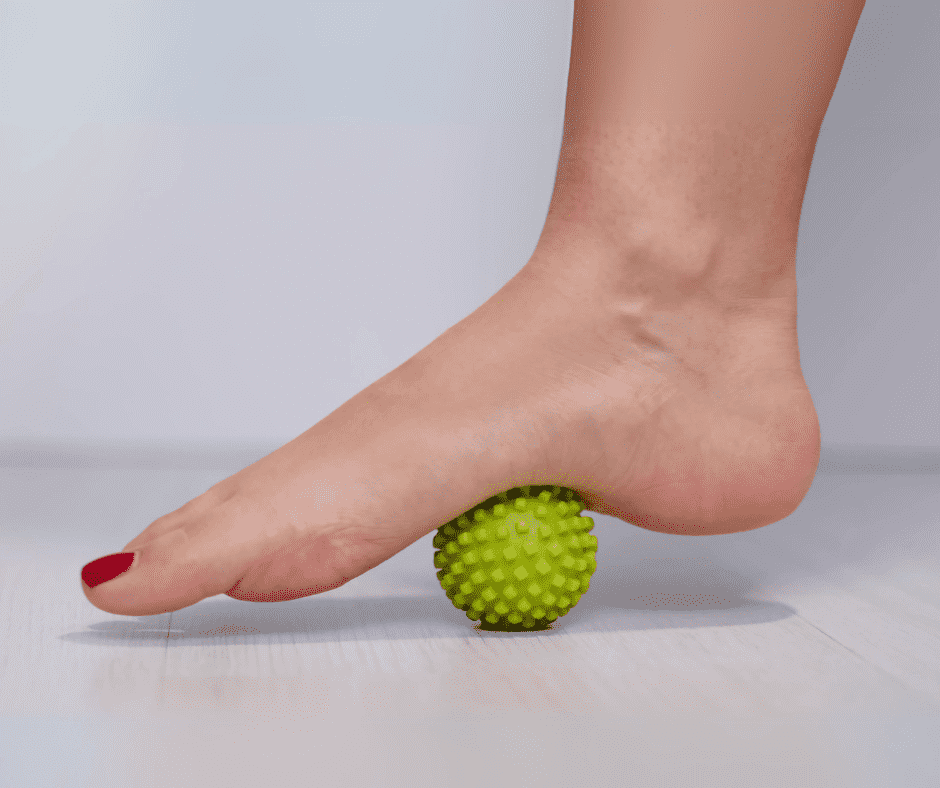
Heel pain is a common musculoskeletal complaint that can interfere with walking, exercise, and daily activities. Frequently associated with conditions such as plantar fasciitis, tendon inflammation, or stress-related injuries, heel pain may develop gradually or present suddenly following strain. Effective management often involves a combination of targeted exercises, supportive therapies, and, when necessary, clinical intervention.
Stretching & Mobility Exercises
Stretching is key to reducing heel pain and improving flexibility. Regular stretching helps lengthen tight muscles and tendons that cause heel soreness. This can provide significant relief over time.
- Calf stretches: These stretches target the gastrocnemius and soleus muscles. They directly affect the Achilles tendon and plantar fascia. Consistently doing it with repetition helps achieve great results.
- Plantar fascia stretches: These stretches help reduce tension along the bottom of your foot. They target the thick band of tissue running along your arch.
- Towel stretches: This is a simple way to stretch your foot in the morning. It can be done while sitting with your leg extended. Loop a towel around the ball of your foot. Gently pull the towel toward you. Hold this for 30 seconds while keeping your knee straight.
Strengthening & Stability Training
Building strength in your feet and lower legs helps support proper alignment and reduces strain on your heel. Stronger muscles can better absorb shock during daily activities, which protects your heel from further injury.
- Toe curls strengthen the small muscles in your feet. Place a towel on the floor and scrunch it with your toes. Release and repeat this movement 10-15 times. You can also pick up small objects, such as marbles, with your toes to improve strength and dexterity.
- Heel raises target your calf muscles and Achilles tendon. Stand with your feet hip-width apart, then slowly rise onto your toes. Hold the position for a moment, then lower yourself back down with control. Perform three sets of 10-15 repetitions daily to build strength.
- Balance exercises improve stability and support the muscles around your ankle and heel. Start by standing on one foot for 30 seconds. Once this becomes easy, try closing your eyes or using an unstable surface, like a pillow, to increase the difficulty.
Conservative Treatment Options
When exercises alone aren’t enough, several conservative treatments can provide additional relief. These approaches work by reducing painful heel tenderness, supporting proper foot mechanics, and promoting healing.
- Rest and ice are key treatments for sudden heel pain. Avoid activities that worsen symptoms and apply ice for 15-20 minutes daily.
- Supportive footwear can greatly reduce heel discomfort. Choose shoes with good arch support and cushioned heels. Avoid walking barefoot on hard surfaces.
- Custom orthotics offer support tailored to your foot’s structure. They redistribute pressure away from painful spots and correct biomechanical issues.
Advanced Medical & Professional Interventions
When conservative treatments fail to provide adequate relief after several months, advanced interventions may be necessary. These options target the underlying causes of heel pain more aggressively while still avoiding surgery in most cases.
- Corticosteroid injections deliver strong anti-inflammatory medication to the affected area. They provide significant short-term relief but are used sparingly due to potential side effects.
- Physical therapy offers professional guidance through structured rehabilitation programs. A physical therapist will design a personalized treatment plan that addresses your specific needs.
- Surgical intervention is an option when conservative treatments fail to provide relief. Your podiatrist will discuss all risks and benefits before recommending surgery.
Book Consultation for Heel Pain
When you combine targeted exercises with appropriate treatment options, you can address the root causes of your discomfort and return to the activities you enjoy. But if your heel pain persists despite your best efforts, seek immediate professional help from a podiatrist. Book a consultation with a heel pain specialist near you to develop a personalized treatment plan tailored to your unique situation.