
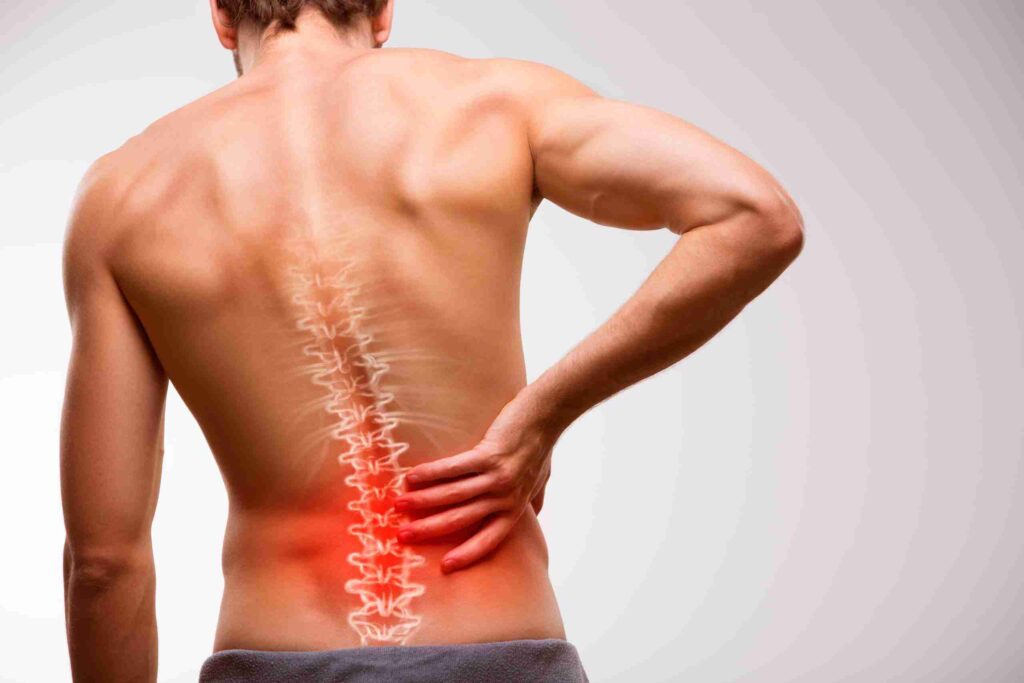
Many individuals encounter physical discomfort that disrupts daily activities and significantly limits overall mobility. Understanding the underlying mechanisms of these symptoms helps select appropriate management strategies for back pain. Although the specific causes vary between patients, targeting the physiological roots of discomfort often yields noticeable improvements in functionality.
Boost Oxygen Delivery
Oxygen play a role in maintaining muscle health and facilitating the body’s natural healing capabilities. Improved circulation delivers oxygen-rich blood directly to the affected area, helping alleviate symptoms of back pain. Gentle aerobic exercise increases heart rate and efficiently pumps nutrient-rich blood to the spine’s supporting structures. When tissues receive higher levels of oxygen, cellular metabolism accelerates to repair damage more rapidly.
Support Tissue Repair
When muscles and ligaments are damaged, they need the right conditions to rebuild their strength and elasticity. Regenerative therapies help facilitate the biological repair of tissues that support the spine, promoting recovery and improved function. Key components include:
- Physical Therapy:Provides structured movements and exercises targeting injured areas to improve mobility and strength.
- Nutrition: A balanced diet rich in protein, vitamins (like C and D), and minerals (like zinc) provides the building blocks for tissue repair.
- Hydration: Proper water intake is beneficial for maintaining cellular health and transporting nutrients to the damaged tissues.
- Adequate Rest: A necessary part of the healing process, allowing the body to restore structural integrity and recover fully over time.
Reduce Inflammation Naturally
Chronic inflammation is a factor in persistent back pain. While medication is a common approach, dietary changes can lower inflammation levels without the need for pharmaceuticals. Incorporating anti-inflammatory foods such as leafy greens can create a healthier internal environment and support joint health.
Beyond diet, gentle, low-impact exercises can also help manage inflammation. These activities stimulate blood flow throughout the body, helping to clear inflammatory markers from the affected tissues. By combining mindful nutrition with regular, gentle movement, you can naturally reduce inflammation and support your body’s healing processes.
Aid Recovery Processes
Adopting consistent, healthy habits can support your recovery. Some ways to support your body’s healing can include:
- Make ergonomic adjustments: Modifying your workstation can prevent unnecessary strain on the spine and musculoskeletal system.
- Take periodic rest breaks: Allowing tense muscles to relax at regular intervals helps reduce strain and discomfort.
- Follow guided movement protocols: Following prescribed exercises helps maintain a smoother recovery and prevents re-injury.
- Practice patience: A structured, consistent approach can support a more predictable recovery.
Promote Cellular Function
Hydration plays a key role in cellular health by maintaining the elasticity and pliability of soft tissues. Adequate water intake supports fluid-filled intervertebral discs, helping them function properly. It also helps flush metabolic waste products from the body. Drinking enough fluids helps make sure that cells have the hydrated environment needed to transport nutrients across membranes. Prioritizing hydration is a simple but effective way to support overall physical well-being.
Get Back Pain Relief
Addressing the root causes of discomfort requires a systematic and informed approach. Because individual conditions vary, professional evaluation identifies the most effective protocols for back pain. Early intervention prevents chronic issues, and appropriate treatment plans restore function for long-term health. Contact a specialist to schedule your appointment to start working towards relief.