
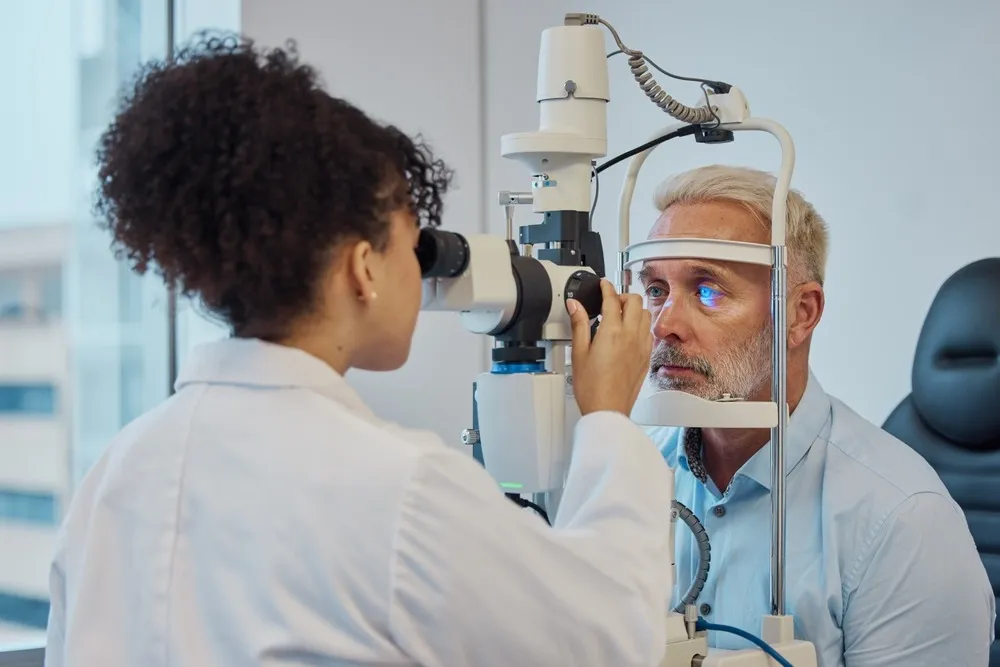
An eye exam is a series of tests performed by an optometrist or ophthalmologist to evaluate vision and eye health. While many associate these appointments with prescriptions for glasses or contact lenses, the benefits of an exam extend beyond these. During an exam, the eye specialist assesses your visual system’s ability to focus and coordinate, and they also inspect the internal and external structures of your eye for signs of disease. This thorough evaluation serves as a fundamental checkpoint for your ocular health. Here’s more information on eye exams and how they are invaluable for detecting eye conditions:
Visiting a Specialist Regularly
Routine visits to an eye care specialist help you maintain your long-term vision health. Many serious eye conditions develop slowly and painlessly, often presenting no noticeable symptoms in their early stages. By the time you notice a change in your vision, a condition may have already progressed. Visiting a specialist regularly is not just about correcting sight; it is about proactive surveillance.
Regular evaluations allow specialists to establish a baseline of health, and this data enables doctors to identify subtle changes over time. This approach helps your provider detect abnormalities earlier, which often leads to more effective management strategies and better long-term outcomes. The frequency of eye exams can vary depending on your age, general health, and risk factors for eye disease. For adults ages 18 to 60, it is recommended to have an eye exam every two years if no vision problems are detected. For individuals over 60 or those with certain health conditions, like diabetes or glaucoma, annual appointments may be recommended.
Utilizing Eye Exams
A comprehensive eye exam assesses visual acuity and eye health with many screening methods. During an exam, the doctor reviews your personal and family medical history to identify genetic predispositions to conditions such as glaucoma or macular degeneration. They may also discuss lifestyle factors, such as digital screen usage or UV exposure, which can impact eye health over time. Modern optometry utilizes advanced technology to map the eye to better understand your unique risk profile.
Disease Prevention
Disease prevention in eye care focuses on risk assessment and lifestyle evaluation to develop a preventive strategy that minimizes complications. By understanding these variables, the specialist can recommend preventive measures tailored to your needs. These might include specific protective eyewear, nutritional guidance, or strategies to reduce eye strain. The doctor identifies potential vulnerabilities in your ocular health, and they provide the necessary guidance to mitigate those risks effectively.
Health Screenings
Screening for health concerns involves a detailed inspection of your eyes’ anatomy, particularly the retina and optic nerves. Techniques like pupil dilation allow the doctor to view the back of the eye clearly. This window into the body’s vascular system is unique; the eye is the only place where blood vessels can be viewed directly without invasive surgery.
During this portion of the exam, specialists look for indicators of systemic health issues, such as changes in the blood vessels of the retina. Retinal changes can indicate that conditions such as hypertension or diabetes are affecting your eye health. The appearance of the optic nerve is also assessed for signs of pressure changes or inflammation. These screenings are fundamental because they can reveal health concerns that you may not yet be aware of, prompting referrals to other medical specialists for further diagnosis and care.
Managing Conditions
For people who have already been diagnosed with an eye condition, an eye exam becomes a key tool for management. Conditions such as dry eye syndrome, cataracts, or diabetic retinopathy require consistent monitoring to verify that current treatment plans remain effective. An exam allows the doctor to objectively measure the progression of a condition. If a cataract has grown or if intraocular pressure has fluctuated, the specialist can adjust therapies accordingly. Effective management relies on timely data, so by adhering to a regular exam schedule, people with existing conditions can stay proactive in their treatment plans.
Schedule an Eye Exam
Your vision is an invaluable asset, and preserving it requires professional medical care. Regular comprehensive eye exams provide an opportunity for early detection and effective management of ocular health issues. Do not wait for symptoms to appear before seeking care, as many conditions may not become noticeable until they advance. Prioritize your eye health, and schedule an exam with a specialist today.