
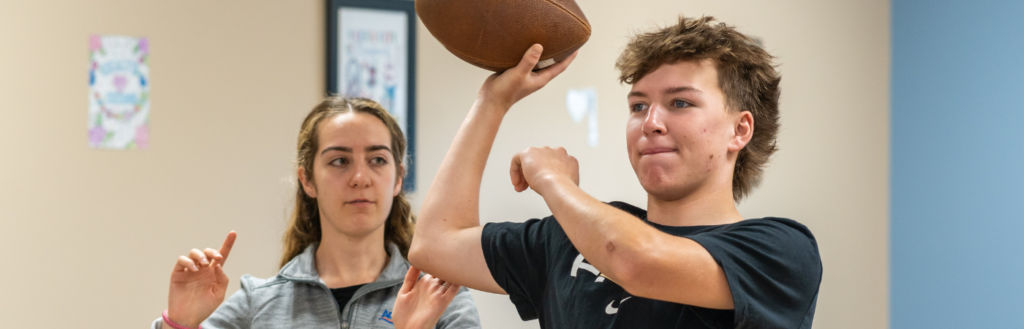
Youth sports participation involves high physical demands, and competition intensity continues to rise. This escalation requires a specialized approach to physical maintenance, skill development, and safety protocols. Sports medicine and youth athletic training work together to promote long-term health and performance.
What Is Sports Medicine?
Sports medicine is a specialized branch of healthcare that focuses on physical fitness and the treatment of injuries related to sports and exercise. Physicians in this field possess specific knowledge about the mechanics of the human body during athletic activity. Their primary goal is to help patients recover from injuries, and they also focus on preventing future physical issues.
What Are the Available Services?
Practitioners offer a wide range of services to address an athlete’s specific needs. These services may include diagnostic imaging, physical therapy, nutritional guidance, and concussion management. A comprehensive treatment plan addresses the immediate injury, and it also takes into account the patient’s long-term physical development.
Rehabilitation programs focus on restoring function and strength to injured areas through targeted exercises. Therapists guide patients through specific movements to regain mobility and stability safely. This process helps the athlete return to their sport with a reduced risk of re-injury. Pre-participation physical examinations are another service offered within clinical settings; these exams assess an athlete’s readiness to play and identify any underlying conditions that pose a risk.
What Is Youth Athletic Training?
Youth athletic training is a structured program designed to enhance the physical abilities of young athletes. It differs from general physical education because it focuses on specific skills relevant to competitive sports. The training accounts for the physiological differences between children, adolescents, and adults.
These programs prioritize age-appropriate exercises that build a strong athletic base without overloading the growing body. Developing proper movement patterns early creates a safer environment for higher-level competition later. Children grow at different rates, so a one-size-fits-all approach is often ineffective. Customized plans accommodate these growth spurts to minimize stress on growth plates and joints.
What Does It Involve?
A typical youth training regimen may include strength conditioning, agility drills, and flexibility work. Strength training utilizes body weight or light resistance to build muscle endurance and joint stability. This approach prepares the musculoskeletal system for rigorous activity, and it establishes a baseline for future strength gains.
Agility and speed drills can improve coordination and reaction times during fast-paced gameplay. Trainers implement specific drills that mimic the movements required in the athlete’s chosen sport. Flexibility exercises maintain joint range of motion, and this helps prevent strains and sprains.
What Are the Benefits?
Integrating sports medicine principles into youth training helps reduce the likelihood of overuse injuries. Medical professionals can identify biomechanical imbalances that may lead to pain or damage over time. Correcting these issues early allows the athlete to train more effectively and consistently; this combined approach enhances overall athletic performance by optimizing physical function. Education on recovery strategies, such as rest and hydration, is another part of the curriculum.
Learn More About Training Today
The collaboration between sports medicine and youth athletic training provides a comprehensive framework for young athletes. It prioritizes safety and health, and it fosters athletic development and skill acquisition. Contact an orthopaedic clinic to discuss specific training needs or to schedule an evaluation.