
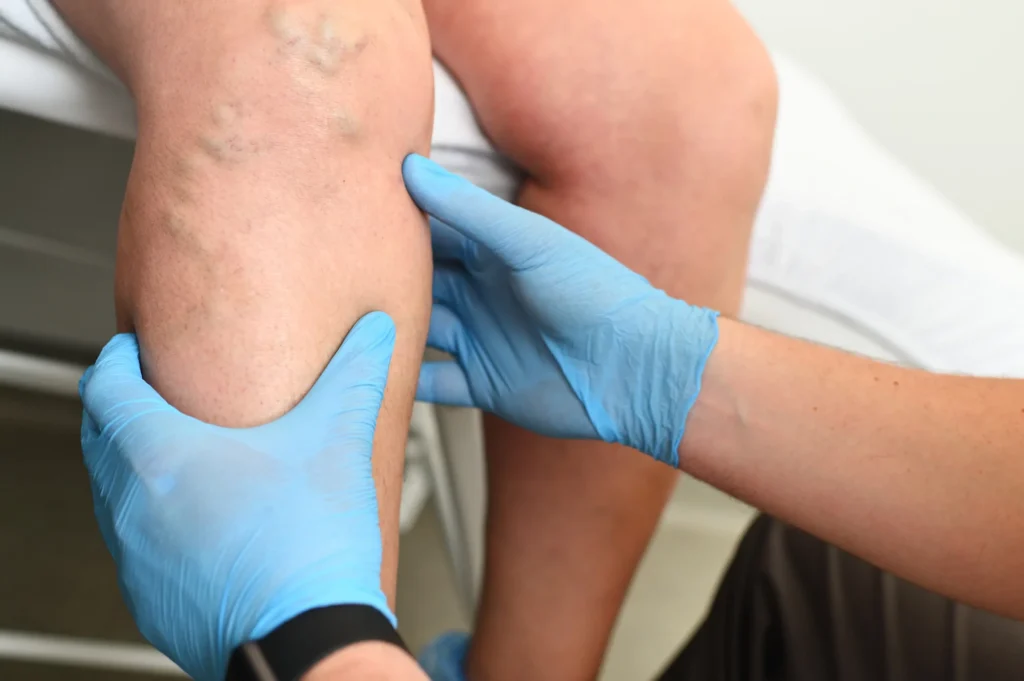
Vascular disease affects the system of blood vessels, and this includes your arteries and veins. This condition interferes with the body’s ability to circulate blood efficiently, which leads to various health complications. You may not realize that genes play a significant role in developing these issues. Here is more information on the role of genetics in vascular disease and treatment:
Genetic Predispositions
Your genetic profile carries specific markers that may influence how your vascular system functions and repairs itself. Some families pass down mutations that directly weaken the arterial walls. Because these traits are inherited, you might face challenges regardless of your daily habits. Several gene variants may be linked to conditions such as atherosclerosis and aneurysms.
Genetic testing reveals these hidden factors before symptoms physically manifest in your body. Doctors might use this information to create better monitoring plans for high-risk patients. You gain control over your health when you understand your specific genetic profile. Early knowledge allows for earlier intervention, which often leads to better long-term outcomes.
Associated Risks
Certain genetic profiles can elevate the likelihood of developing specific vascular conditions over time. A family history of stroke typically indicates a higher susceptibility to similar vascular events. You must recognize these patterns to protect your future health for conditions such as:
- Peripheral artery disease
- Deep vein thrombosis
- Chronic venous insufficiency
- Abdominal aortic aneurysms
Combined With Lifestyle Choices
Genetics plays a role, but lifestyle typically impacts health outcomes for many patients. You might carry high-risk genes, yet healthy habits can effectively mitigate those inherited risks. Smoking cigarettes accelerates vascular damage in people who are already genetically prone to weak arteries.
Poor diet choices compound the problem by adding cholesterol to vessels that struggle to process fats. Processed foods and high sugar intake create inflammation that attacks your vascular lining. When you eat well, you provide your body with the tools it needs to fight genetic disadvantages.
Lack of physical activity allows blood to stagnate, which increases pressure on the vein walls. Exercise strengthens the heart and improves circulation throughout the entire vascular network. Even moderate walking helps counteract the genetic tendency toward poor blood flow or clotting issues.
Increased Risks
Some populations face a statistically higher chance of vascular disease due to shared genetic backgrounds. For example, African Americans often experience higher rates of hypertension than other demographic groups. These disparities highlight the powerful influence that ancestry holds over our cardiovascular systems.
Age acts as a multiplier for these genetic risks as cellular repair mechanisms naturally slow down. Your blood vessels lose elasticity over time, and genetic weaknesses become more apparent in later years. Regular screenings become necessary as you grow older to catch these developing issues early. Maintaining a healthy lifestyle through balanced nutrition, regular exercise, and stress management can help mitigate these risks and promote better cardiovascular health.
Get Treated for Vascular Disease
Vascular disease requires professional attention to manage symptoms and prevent serious complications effectively. Modern medicine offers various treatments that address both genetic factors and lifestyle impacts. You deserve a healthcare plan that considers your unique biological makeup. Schedule a consultation with a vascular specialist today to discuss your family history and assess your risk.