
A routine physical examination is a common practice for maintaining personal health and well-being. Physicals provide an opportunity for individuals to receive preventive screenings and gain a comprehensive understanding of their current health status. This process can help identify potential health issues before they develop into more serious conditions, fostering a proactive approach to your personal care.
What Are Physicals?
Physicals are routine assessments performed by a healthcare professional to evaluate a person’s general health. The objective is to screen for potential health problems, assess risk for future medical issues, and encourage healthy lifestyle habits. There are several types of physicals, each tailored to specific needs:
- Annual Physical: This is a comprehensive check-up for adults. It typically involves a review of medical history, a physical exam, and screenings for common conditions.
- Sports Physical: This assessment is often required for athletes before they join a sports team. Its purpose is to determine if it is safe for an individual to participate in a particular sport by checking for conditions that might increase the risk of injury or illness.
- Employment Physical: Some employers require prospective employees to undergo a pre-employment physical. This exam assesses whether a candidate can safely perform the physical demands of a specific job.
The content of a physical can vary based on a person’s age, sex, and health history.
Why Are The Benefits?
Routine physicals offer a structured opportunity for disease prevention and health promotion. One of the main functions of these exams is early detection, as many health conditions may not present obvious symptoms in their initial stages. Screenings conducted during a physical can identify markers for these conditions, which may allow for earlier intervention and management.
These appointments also facilitate the management of existing health conditions. For individuals with chronic illnesses, regular check-ups allow a provider to monitor the condition’s progression. This allows care providers to adjust management plans and evaluate the effectiveness of current approaches. This ongoing oversight contributes to better health outcomes.
What Does One Entail?
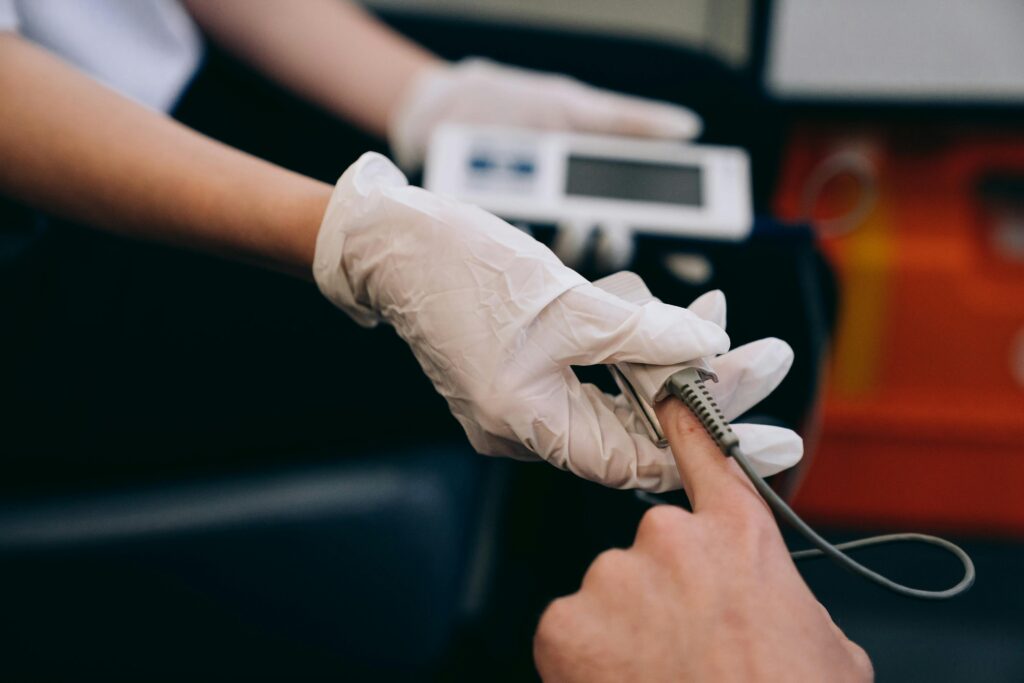
The specific components of a physical examination can differ, but a standard appointment often follows a consistent structure. The process usually begins with a review of your personal and family medical history. A nurse or medical assistant will likely record your vital signs, including your blood pressure, heart rate, respiration rate, and temperature.
The physical exam itself is a head-to-toe evaluation. A provider will use instruments like a stethoscope to listen to your heart and lungs, and an otoscope to look inside your ears, nose, and throat. They will palpate your abdomen to check for tenderness or abnormalities in your internal organs. The exam may also include checking your reflexes and assessing your balance.
Your provider might recommend specific lab tests or screenings, which can include blood work to check cholesterol levels and blood sugar. Screenings for certain types of cancer may also be discussed. The provider can consolidate all this information, giving you a picture of your current health and suggesting next steps.
Meet With a Care Provider
Scheduling a regular physical examination is a practical action for anyone invested in their long-term health. These appointments create a valuable record of your health over time, enabling you and your provider to observe trends and make informed decisions together. Following your examination, your provider will discuss the findings with you and outline any recommended follow-up actions or lifestyle adjustments.