
Many eye conditions develop slowly, often without noticeable symptoms in the early stages. Glaucoma stands out as a prime example of this silent progression. It affects the optic nerve, which transmits images from the eye to the brain. It remains a leading cause of blindness for people over the age of 60. Because vision loss caused by glaucoma is permanent, early identification through comprehensive eye examinations provides the best defense against significant sight reduction.
What Is Glaucoma?
Glaucoma refers to a group of eye conditions that damage the optic nerve. This damage is often related to high pressure in your eye, known as intraocular pressure. The front part of the eye is filled with a clear fluid called aqueous humor, and this fluid leaves the eye through channels in the cornea and iris. If these channels are blocked or the eye produces too much fluid, the pressure inside the eye increases.
How Is It Detected?
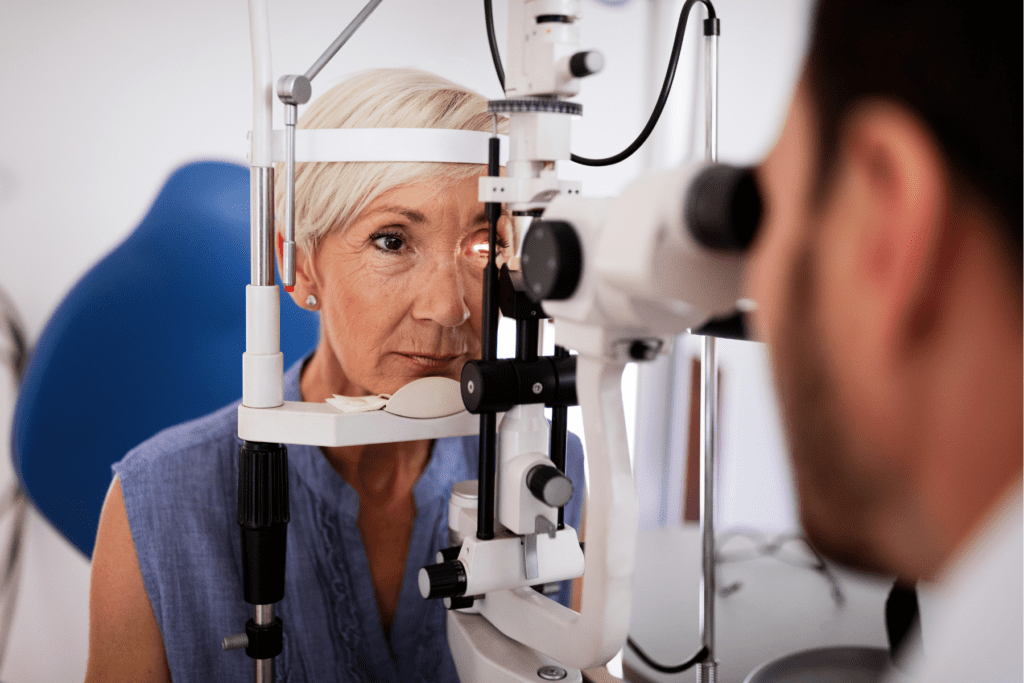
Most forms of glaucoma present few early warning signs, so detection relies heavily on comprehensive eye exams. During a comprehensive exam, an eye doctor will perform a series of tests to check the health of your eyes. Tonometry measures the pressure inside the eye.
There are tests that allow the doctor to examine the optic nerve for damage. They can use eye drops to dilate the pupils and provide a better view of the shape and color of the optic nerve. If the pressure is not within the normal range or the optic nerve looks unusual, the doctor may ask for a visual field test. This test checks for areas of vision loss, particularly in peripheral or side vision, which often deteriorates first in glaucoma patients.
Pachymetry is another useful test that measures the thickness of the cornea, as people with thin corneas have a higher risk of developing glaucoma. Gonioscopy inspects the drainage angle to see if it is open or closed. These combined tests give a full picture of eye health, helping to catch issues before they cause irreversible damage.
How Is It Treated?
While damage caused by glaucoma cannot be reversed, treatment and regular checkups can slow or prevent vision loss. The primary goal of treatment involves lowering intraocular pressure. Prescription eye drops are a common form of treatment. Some patients may require oral medications if eye drops alone do not bring the pressure down to a desired level.
Laser therapy and various surgical procedures are options when medication is insufficient or causes significant side effects. Laser trabeculoplasty helps drain fluid out of the eye for people with open-angle glaucoma. For angle-closure glaucoma, a laser procedure can be utilized to create a tiny hole in the iris to allow fluid to flow more freely.
Consult With an Eye Specialist
Protecting your vision requires proactive care. While certain risk factors like family history, age, and medical conditions increase the risk of glaucoma, anyone can be affected. Regular appointments allow your eye care provider to track changes over time and establish a baseline for your ocular health. If you have not had a comprehensive eye exam recently, schedule one soon to verify the health of your eyes.