
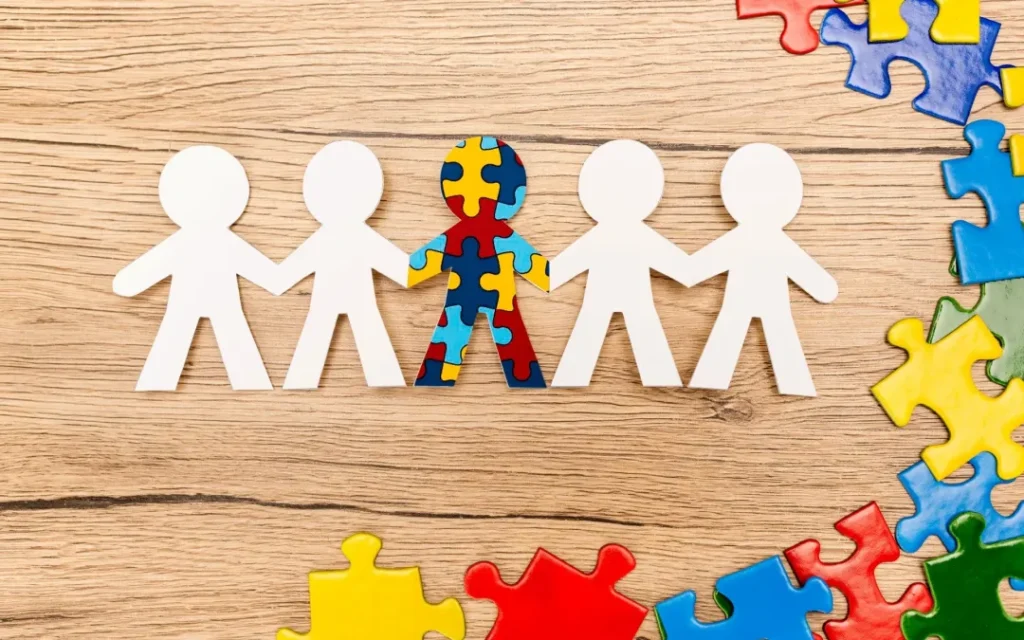
Autism is a developmental condition that affects how an individual communicates, interacts socially, processes sensory information, and approaches daily routines. It is best understood as a spectrum with a wide range of strengths, needs, and support requirements. Here is more information on what to know about individuals with autism.
Noticing Daily Signs
Signs of autism often appear within the first few years of life, but they can vary widely in severity and presentation. Some children show signs of autism in early infancy, such as reduced eye contact or a lack of response to their name. Others may develop normally for the first few months or years of life, but then suddenly become withdrawn or aggressive or lose language skills they had already acquired. The following behaviors are common indicators that a child or adult may be on the autism spectrum:
- Difficulty with communication and interaction with other people.
- Restricted interests and repetitive behaviors.
- Symptoms that hurt the person’s ability to function properly in school, work, and other areas of life.
- Making little or no eye contact.
- Having an intense interest in certain topics, such as numbers, details, or facts.
- Getting upset by slight changes in a routine.
- Being more or less sensitive than other people to sensory input, such as light, noise, clothing, or temperature.
These signs serve as general markers, but a professional evaluation is necessary for an accurate diagnosis.
Getting Early Support
Diagnosing a neurodevelopmental disorder like autism can be difficult since there is no medical test to diagnose the disorder. Doctors review the child’s developmental history and behavior to make a diagnosis. Many children do not receive a final diagnosis until they are much older, and this means that some children with autism may not get the early help they need. Early intervention services help children from birth to three years old learn fundamental skills; services may include therapy to help the child talk, walk, and interact with others.
Supporting Communication
There are many types of treatments available, including behavior and communication therapies, skills training, and medicines to control symptoms. Family members and professionals can work together to create a supportive environment that fosters growth and learning. Here are some strategies to support individuals on the spectrum:
- Use clear and concise language when giving instructions or asking questions.
- Create a structured environment with predictable routines to reduce anxiety.
- Use visual aids, such as picture schedules, to help with transitions between activities.
- Provide a quiet space where the individual can go if they feel overwhelmed by sensory input.
- Focus on positive reinforcement to encourage desired behaviors and skills.
Families should work closely with educators and therapists to make sure these supports are in place across different settings.
Being a Good Ally
Being a good ally to someone with autism means educating yourself about the condition and listening to their experiences. It involves moving beyond simple awareness to acceptance and inclusion. You can support individuals by respecting their sensory needs and communication styles, and avoiding assumptions about a person’s abilities based on their diagnosis. Allies evaluate how their own behaviors may affect a neurodivergent person and adjust accordingly.
Schedule Your Autism Evaluation Today
Autism is a complex spectrum disorder that affects everyone differently, and understanding these differences is key to providing effective support. Early diagnosis and intervention can make a significant difference in the life of a child with a neurodevelopmental disorder. If you notice signs of autism in your child or have concerns about their development, contact a pediatric neurologist near you to schedule your evaluation today.