
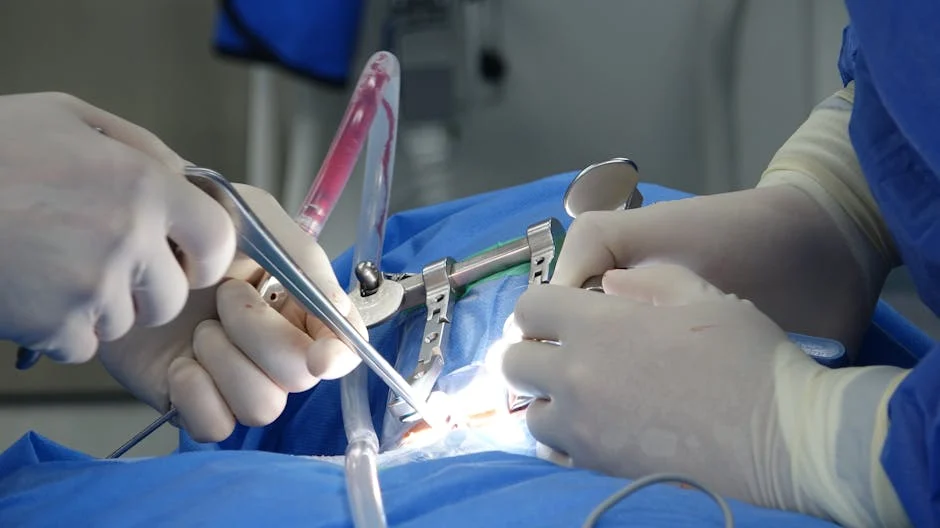
Robotic surgery supports surgeons during procedures that require precise and controlled movements. Surgeons use this method in minimally invasive treatments, and they operate through small incisions with improved accuracy and control. Because mechanical assistance enhances stability while surgeons maintain decision-making authority, robotic surgery reflects technological advancement in modern medical practice and provides alternatives to traditional surgical techniques for various conditions.
Functionality of Robotic Surgery
A robotic surgical system includes a central console, a camera arm, and multiple instrument arms with specialized tools. The surgeon controls the system from the console, and the robotic arms respond to those inputs in real time. While the system delivers imaging to the console, the surgeon gains enhanced visibility of the operative site, which supports careful navigation during procedures.Robotic surgery is helpful and efficient.
Console movements translate into precise actions by the robotic arms. Motion scaling improves accuracy, and tremor filtration stabilizes fine movements. The surgeon maintains full control throughout the procedure and directs each step as decisions are made in real time. Because this structure allows operations through small incisions, it aligns closely with the principles of minimally invasive surgery.
In addition to technical advantages, robotic surgical systems are designed to improve surgeon ergonomics. By allowing the operator to remain seated in a neutral position at the console, these systems reduce the physical strain typically associated with conventional procedures. Features such as adjustable armrests, foot controls, and optimized visual display contribute to minimizing fatigue, particularly during lengthy or complex surgeries. This ergonomic support helps maintain surgeon concentration and precision throughout the procedure, which may result in more consistent operative performance.
Advantages of Techniques
Robotic assistance reduces incision size during surgery. Smaller incisions limit tissue disruption, and this often results in less postoperative pain and reduced blood loss. Robotic procedures show lower rates of surgical site infection, and patients frequently experience shorter hospital stays and faster early recovery.
The technology improves access to anatomically restricted areas of the body. Enhanced dexterity and stability support complex procedures, while smaller incisions reduce visible scarring. Although these outcomes relate to minimally invasive techniques rather than robotics alone, robotic systems provide refined control that strengthens these benefits and supports surgical precision during demanding procedures.
Applications Across Medical Specialties
Robotic systems support procedures across multiple medical specialties. In cardiovascular surgery, surgeons use robotic assistance for valve repair and other operations that require delicate manipulation. Oncological surgery also applies robot-assisted techniques, and surgeons rely on precise control when performing tumor resections in various organs.
Robotics plays a role in abdominal and pelvic procedures. Surgeons use these systems for hernia repair, gallbladder removal, and other operations once performed through large incisions. As robotic technology continues to expand, healthcare facilities refine instruments and techniques, and they increasingly integrate these systems into both standard and advanced surgical care.
Talk To a Specialist
Robotic surgery functions as an established method within minimally invasive treatment frameworks. It offers surgeons improved visualization, accuracy, and control, and these features support careful operative performance. While evidence links robotic surgery to reduced tissue trauma and faster recovery, ongoing optimization and broader integration suggest an expanding role in both routine and specialized procedures as minimally invasive surgical care continues to evolve. Talk to a specialist to learn more and consider robotic surgery for your needs.