
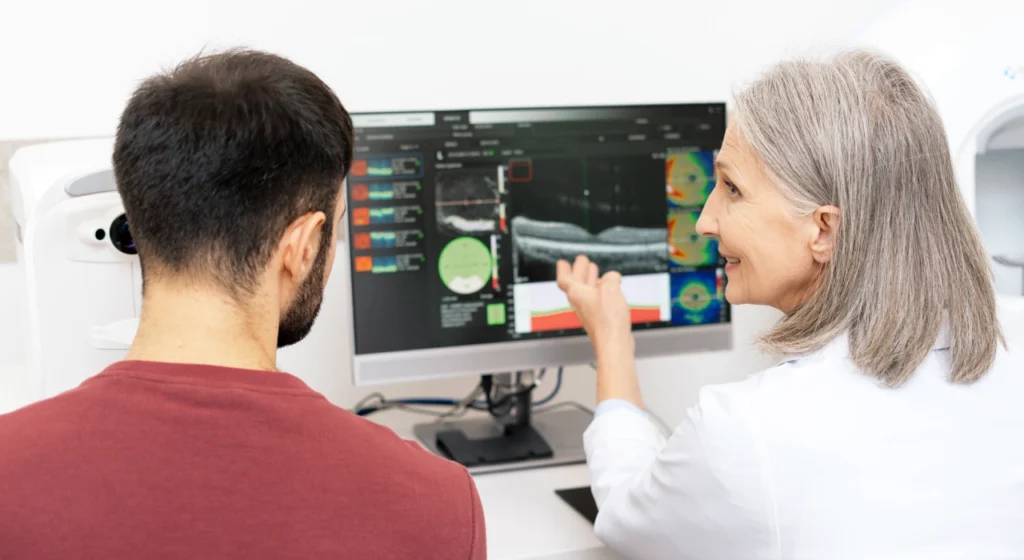
Medical diagnostic imaging centers utilize advanced technology, and this helps medical professionals view the human body’s complex interior structures. These facilities operate independently from large hospital systems to provide focused testing environments for patients. Because physicians require clear data to treat conditions, they order these specific diagnostic tests. Here are four services offered at these diagnostic imaging centers:
1. Ultrasound Imaging
Ultrasound uses high-frequency sound waves to create images, and it involves no radiation exposure. Technicians apply a specialized, water-based gel to the skin’s surface over the area of interest. Because the sound waves bounce off tissues, a computer constructs a real-time visual map. This method observes soft tissues effectively without any invasive procedures or discomfort.
While people may associate sonograms with pregnancy, the technology diagnoses various other musculoskeletal conditions effectively. It examines the heart’s function, or it might assess blood flow through major vessels. To find potential internal issues, doctors also request ultrasounds for abdominal pain evaluation. The equipment at a medical diagnostic imaging center captures movement accurately, and it helps identify structural abnormalities within organs.
2. Needle-guided Injections
Precise medication delivery requires extreme accuracy during the administration procedure to work effectively. Blind injections may miss the target, so providers use advanced imaging for real-time guidance. When imaging tools guide the needle, the medication reaches the exact source of pain. This approach improves the overall efficacy of the treatment for many orthopedic injuries.
Standard guided treatments include:
- Corticosteroid administration
- Hyaluronic acid delivery
- Nerve blocks
- Aspiration of fluids
3. Physical Therapy
While imaging diagnoses the issue, physical therapy addresses the underlying functional problems. Specialists design custom movement plans for every patient based on their specific limitations. Muscles may be weak, or joints might require an improved range of motion for daily tasks. Strengthening exercises significantly support the recovery process and help prevent future reinjury.
Professionals observe how the body moves, and they identify patterns causing ongoing pain. If a patient has poor posture, it creates additional stress on the skeletal structure. Manual therapy techniques release tension in tight muscle groups to restore normal function. Education is a key component, and patients learn to move more safely at home.
Rehabilitation typically follows a confirmed diagnosis from a previous imaging appointment. Because the injury is visible, the therapist targets the specific damaged area with precision. Recovery takes time, but consistent effort may yield measurable improvements in mobility and strength. As the body heals, the treatment plan adjusts to match current physical capabilities.
4. Regenerative Techniques
The body possesses natural healing abilities, and regenerative medicine amplifies these biological processes. Platelet-rich plasma therapy is a standard regenerative service offered at these specialized clinics. After a provider draws blood, a centrifuge spins it to concentrate the platelets. These platelets contain growth factors, and they are injected back into the injured tissue.
Visit a Medical Diagnostic Imaging Center
If you experience persistent pain, a diagnostic center offers multiple paths to find answers. These facilities combine diagnostic clarity with non-invasive treatment options in one location. You receive a precise diagnosis, and you access therapies that address the root cause. Schedule an appointment today to begin your personal recovery journey.
