
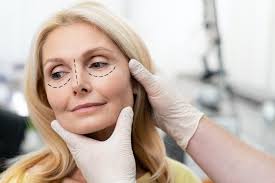
Individuals seek plastic surgery procedures to enhance appearance, correct defects, or repair injuries. Discussing your specific goals and requirements in advance will allow your surgeon to recommend an appropriate procedure. Here are a few questions to ask your plastic surgeon:
What Procedure Do You Recommend?
When selecting the right plastic surgery procedure for your needs, your doctor will look at your goals, anatomy, and health. The answer depends on your individual needs and the changes you hope to achieve. Evaluate your overall health, age, skin quality, and lifestyle. Your surgeon should discuss each option in detail, including risks and expected results.
Breast implants can enhance size, shape, and symmetry. They are ideal for those seeking volume or reconstruction. Rhinoplasty reshapes the nose, improving proportion and breathing. It is highly individualized and requires careful planning. Blepharoplasty, or eyelid surgery, addresses sagging eyelids and under-eye bags. It can create a more youthful, rested appearance. Forehead lifts reduce wrinkles and elevate drooping brows, enhancing facial expressions. Abdominoplasty, or a tummy tuck, tightens abdominal muscles and removes excess skin, often after pregnancy or significant weight loss.
Each procedure offers unique benefits, so be sure to evaluate your expectations carefully. Try combination procedures if multiple areas require enhancement. Listen to your surgeon’s professional recommendation, as they will understand how to provide the safest, aesthetic results for your condition. A thorough consultation helps you choose the most effective procedure for your body and lifestyle.
Am I a Good Candidate for My Procedure?
Candidacy depends on your overall health and medical history. Surgeons evaluate factors like age, skin quality, body weight, and lifestyle habits. They also consider existing medical conditions and previous surgeries, as these will affect your results. Your surgeon may perform a physical examination and imaging to assess feasibility while also evaluating recovery potential, surgical risks, and procedure limitations. For breast implants, candidates generally need fully developed breasts and no active infections or uncontrolled health issues. Blepharoplasty is usually suitable for individuals with excess eyelid skin or fatty deposits that impair vision or eyelid function. Taking these elements into account during your consultation will allow the surgeon to determine if you are a suitable candidate.
How Do I Prepare for My Procedure?
Before your procedure, your plastic surgeon works with your primary doctor to get recent blood tests or imaging. If you are taking medications like anti-inflammatories or blood thinners, you may need to temporarily stop taking them, as they will affect your recovery. Other lifestyle habits that affect your results include smoking, alcohol consumption, and nutrition. Prioritizing healthy habits can positively impact your results.
Prepare your home space carefully before the operation. If you will have limited mobility or strength after surgery, make sure someone is there to assist with meals, errands, and daily tasks. You should also arrange for a friend or family member to drive you home after the procedure.
What Is Involved in Recovery?
Your recovery timeline and steps may vary depending on the procedure. Immediately after surgery, patients are monitored in a recovery area until the anesthesia effects wear off. Your surgeon provides pain management through prescribed medications, and swelling or bruising is common during the first few days. Activity restrictions are usually necessary; heavy lifting or strenuous exercise is limited for several weeks.
Incisions require proper care to reduce the risk of infection. Dressings or surgical garments may be used to support healing and maintain results. Follow-up appointments allow the surgeon to evaluate progress, remove sutures if needed, and address any complications. Recovery timelines differ: breast reductions or body lifts may need three weeks to several months.
Patients often need adjustments to sleep positions, temporary changes in daily routines, or assistance with mobility. By carefully following medical instructions and gradually resuming your regular activities, you may facilitate proper healing. Monitor your surgical area for signs of infection, excessive bleeding, or unusual symptoms. Report these issues to your doctor as soon as possible to receive proper treatment if required.
Learn More About Plastic Surgery
Learning as much as possible about your chosen plastic surgery procedure helps streamline preparation and recovery. You will understand what to anticipate and have realistic expectations about results. Qualified surgeons provide treatments ranging from arm and body lifts to breast augmentations and reductions. Schedule an appointment with a qualified plastic surgeon today.